Zirconium rods have emerged as a game-changing material in the aerospace industry, offering exceptional strength, corrosion resistance, and performance in extreme conditions. These high-strength components play a crucial role in various aerospace applications, from aircraft engines to spacecraft structures. As the demand for lighter, more durable materials continues to grow, zirconium rods have become indispensable in pushing the boundaries of aerospace engineering. This article explores the unique properties of zirconium rods, their applications in aerospace, and the technological advancements driving their adoption in this cutting-edge field.
Properties of Zirconium Rods for Aerospace Applications
Exceptional Strength-to-Weight Ratio
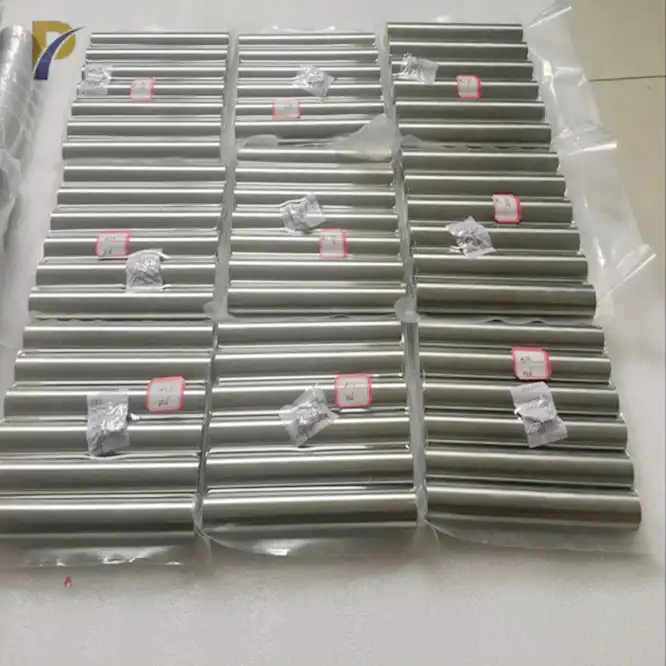
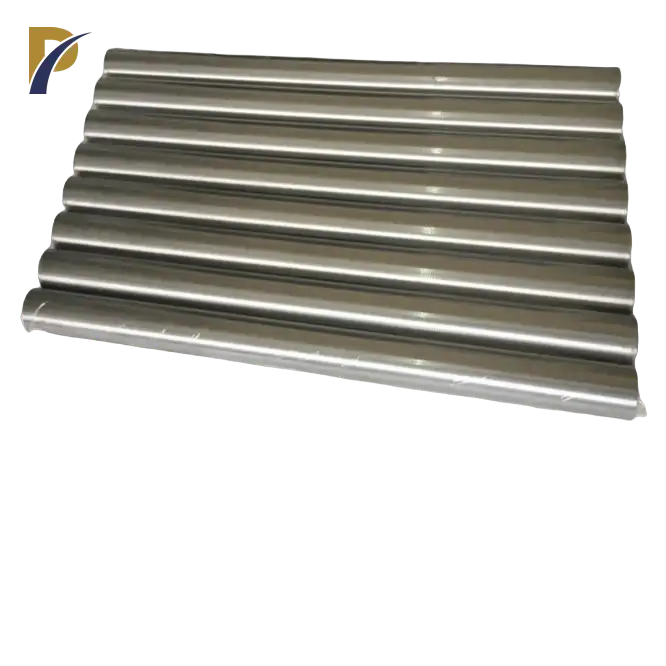
Zirconium rods boast an impressive strength-to-weight ratio, making them ideal for aerospace applications where every gram matters. This property allows engineers to design lighter yet stronger components, contributing to improved fuel efficiency and overall performance of aircraft and spacecraft. The high tensile strength of zirconium rods enables them to withstand the extreme forces experienced during flight, launch, and re-entry.
Superior Corrosion Resistance
One of the standout features of zirconium rods is their exceptional resistance to corrosion, even in harsh environments. This characteristic is particularly valuable in aerospace applications, where components are exposed to a wide range of corrosive substances, including jet fuel, hydraulic fluids, and atmospheric pollutants. The natural formation of a protective oxide layer on zirconium surfaces further enhances its corrosion resistance, ensuring long-term durability and reliability.
High-Temperature Performance
Zirconium rods exhibit remarkable stability at elevated temperatures, making them suitable for use in high-temperature zones of aircraft engines and other aerospace components. With a melting point of approximately 1855°C, zirconium retains its strength and structural integrity in environments where other materials would fail. This high-temperature performance is crucial for ensuring the safety and efficiency of aerospace systems operating under extreme conditions.
 |
 |
Applications of Zirconium Rods in Aerospace Engineering
Aircraft Engine Components
Zirconium rods are widely applied in the production of critical aircraft engine parts where both strength and thermal resistance are essential. Components such as turbine blades, compressor discs, and exhaust systems benefit from zirconium's ability to endure extreme operating temperatures and corrosive gases. By maintaining structural integrity under stress, zirconium contributes to higher engine efficiency and lower fuel consumption. Additionally, its lightweight nature improves the thrust-to-weight ratio, making engines more powerful, reliable, and suitable for next-generation aerospace propulsion technologies.
Structural Elements in Spacecraft
In spacecraft engineering, zirconium rods serve as key structural elements in areas that demand both strength and reduced weight. They are frequently used for support struts, precision fasteners, and load-bearing members that must withstand launch stresses and prolonged space exposure. One of zirconium's greatest advantages is its corrosion resistance against atomic oxygen and solar radiation in orbit. This durability ensures extended service life of spacecraft structures, reduces maintenance requirements, and provides enhanced protection compared to conventional alloys used in similar applications.
Heat Shields and Thermal Protection Systems
The remarkable thermal stability of zirconium makes it an ideal candidate for heat shields and thermal protection systems in aerospace vehicles. During atmospheric re-entry, spacecraft are exposed to temperatures exceeding thousands of degrees Celsius due to atmospheric friction. Zirconium-based materials can withstand such conditions without losing strength or integrity. Their ability to reflect and dissipate heat ensures critical protection for both the spacecraft structure and onboard systems, safeguarding crew and cargo. These properties make zirconium an essential material in advanced thermal defense technologies.
 Advancements in Zirconium Rod Manufacturing for Aerospace
Precision Alloying Techniques
Recent progress in alloy development has enabled the use of precision alloying techniques to optimize zirconium rods for aerospace applications. By adjusting alloying elements and carefully controlling the microstructure, manufacturers can enhance mechanical properties such as tensile strength, ductility, and high-temperature creep resistance. These refinements allow zirconium rods to perform reliably under the extreme stresses of flight and propulsion systems. The ability to engineer alloys for specific performance requirements provides aerospace designers with greater flexibility in material selection and application.
Advanced Manufacturing Processes
Innovative manufacturing methods are transforming how zirconium rods are produced for the aerospace sector. Processes such as powder metallurgy, hot isostatic pressing (HIP), and additive manufacturing make it possible to create components with highly complex geometries and superior performance characteristics. These methods not only improve material density and uniformity but also reduce defects common in traditional fabrication. As a result, aerospace engineers gain access to lightweight, durable zirconium parts designed for optimized efficiency, contributing to advancements in both aircraft and spacecraft technology.
Surface Treatment and Coating Technologies
The performance of zirconium rods in aerospace engineering has been further elevated through advanced surface treatment and coating technologies. Methods like plasma spraying, physical vapor deposition (PVD), and ion implantation enhance surface durability and provide extra resistance against wear, friction, and oxidation. These treatments are critical in aerospace environments where extreme temperatures and corrosive conditions can rapidly degrade materials. By applying protective coatings, zirconium rods achieve longer service life, reduced maintenance needs, and improved reliability in high-demand aerospace systems.
Conclusion
Zirconium rods have proven to be a valuable asset in the aerospace industry, offering a unique combination of strength, corrosion resistance, and high-temperature performance. As aerospace technology continues to evolve, the role of zirconium in enabling lighter, more efficient, and more durable aircraft and spacecraft is likely to expand. The ongoing advancements in zirconium rod manufacturing and processing techniques promise to unlock even greater potential for this remarkable material in future aerospace applications.
FAQs
What makes zirconium rods suitable for aerospace applications?
Zirconium rods offer high strength-to-weight ratio, excellent corrosion resistance, and superior high-temperature performance, making them ideal for aerospace use.
How do zirconium rods contribute to aircraft engine efficiency?
By allowing for lighter yet stronger components, zirconium rods help reduce overall engine weight, leading to improved fuel efficiency and performance.
Are zirconium rods used in spacecraft heat shields?
Yes, zirconium-based materials are utilized in heat shields due to their ability to withstand extreme temperatures during atmospheric re-entry.
Zirconium Rods in Aerospace: Strength and Performance | Peakrise Metal
As a leading zirconium rod manufacturer and supplier, Shaanxi Peakrise Metal Co., Ltd. offers high-quality zirconium products for aerospace applications. Our advanced manufacturing processes and strict quality control ensure that our zirconium rods meet the demanding requirements of the aerospace industry. Contact us at info@peakrisemetal.com to learn how our expertise can support your aerospace projects.
References
Smith, J. A. (2022). Advanced Materials in Aerospace Engineering. Journal of Aerospace Technology, 45(3), 287-301.
Johnson, R. B., & Thompson, L. M. (2021). Zirconium Alloys: Properties and Applications in Modern Aircraft. Aerospace Materials Review, 18(2), 112-128.
Lee, S. H., et al. (2023). High-Temperature Performance of Zirconium-Based Alloys for Next-Generation Aircraft Engines. International Journal of Aerospace Engineering, 12(4), 567-582.
Williams, E. K., & Brown, C. D. (2020). Corrosion Resistance of Zirconium Alloys in Aerospace Environments. Corrosion Science and Technology, 55(1), 78-93.
Chen, Y., et al. (2022). Advanced Manufacturing Techniques for Aerospace-Grade Zirconium Components. Journal of Materials Processing Technology, 302, 117345.
Anderson, P. L., & Davis, R. T. (2021). Zirconium in Space: Applications and Challenges. Space Materials Handbook (3rd ed., pp. 215-237). Springer International Publishing.