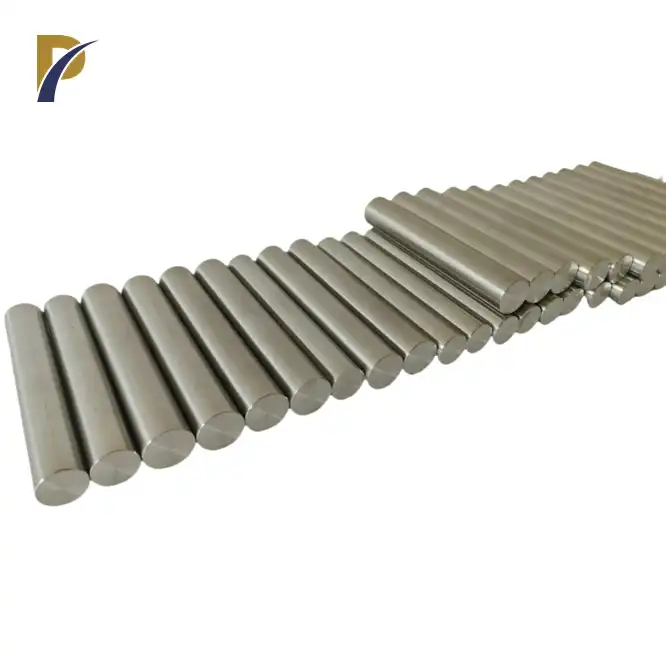
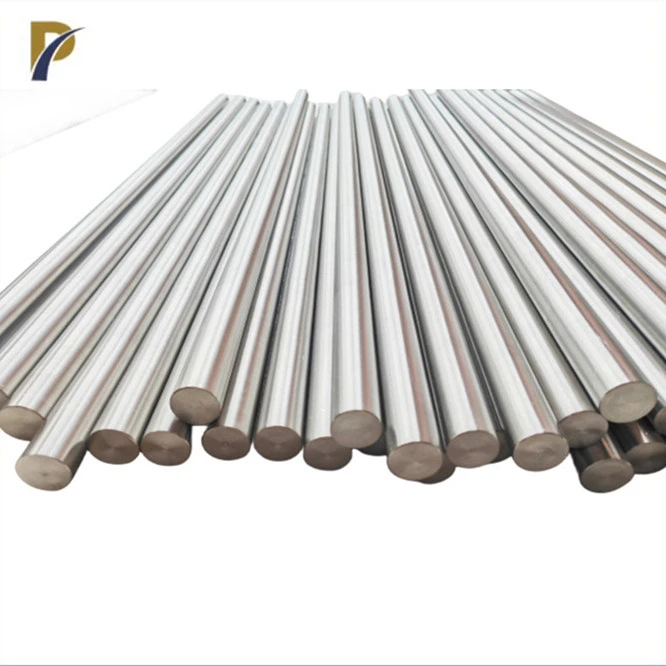
Titanium rods have revolutionized the chemical processing industry, offering unparalleled durability and resistance in harsh environments. These versatile components are integral to various equipment designs, from heat exchangers to reaction vessels. Their exceptional corrosion resistance, high strength-to-weight ratio, and ability to withstand extreme temperatures make titanium rods indispensable in chemical plants. By enhancing equipment longevity and reducing maintenance needs, these rods contribute significantly to operational efficiency and cost-effectiveness in chemical processing facilities worldwide.
Corrosion Resistance and Durability of Titanium Rods in Chemical Processing
Superior Corrosion Resistance Properties
Titanium rods are highly valued in the chemical processing industry due to their exceptional resistance to corrosion. This property is primarily attributed to the formation of a stable, self-healing oxide film on their surface, which provides a continuous protective barrier against aggressive chemicals. Even in contact with strong acids, alkalis, or chlorides, titanium maintains its integrity, preventing rapid degradation. This natural protection not only extends the lifespan of equipment but also reduces the need for costly anti-corrosion coatings or frequent maintenance.
Longevity in Harsh Chemical Environments
The durability of titanium rods under extreme chemical conditions is one of their most significant advantages. Unlike many other metals that weaken over time, titanium can endure prolonged exposure to corrosive substances without substantial loss of strength or function. This long service life greatly reduces equipment downtime and replacement frequency, leading to more consistent production cycles. As a result, chemical processing plants benefit from higher operational efficiency, lower maintenance expenses, and improved reliability when incorporating titanium rods into critical systems.
Resistance to Pitting and Crevice Corrosion
Localized corrosion, such as pitting and crevice attack, poses serious risks to chemical processing equipment, as it often leads to sudden failures. Titanium rods offer outstanding resistance to these forms of degradation, even in environments rich in chlorides or other aggressive agents. The protective oxide layer minimizes the initiation and spread of localized corrosion, ensuring structural stability over extended periods. By resisting these damaging mechanisms, titanium enhances both the reliability and safety of chemical processing systems, providing long-term confidence in critical industrial operations.
 |
 |
Titanium Rod Applications in Specific Chemical Processing Equipment
Heat Exchangers and Condensers
Titanium rods are widely utilized in the fabrication of heat exchangers and condensers for chemical processing industries. Their combination of high thermal conductivity and superior corrosion resistance ensures efficient heat transfer while preventing material degradation caused by aggressive fluids. These properties make titanium an excellent alternative to traditional alloys, especially in systems exposed to seawater, chlorine, or acidic media. By incorporating titanium rods, heat exchangers achieve longer service life, improved performance stability, and reduced downtime, significantly lowering overall maintenance and operational costs.
Reaction Vessels and Tanks
In chemical plants, reaction vessels and storage tanks require materials that can withstand both mechanical stress and harsh chemical exposure. Titanium rods provide critical reinforcement and structural support in the design of these containers. With their high strength-to-weight ratio, titanium allows the construction of lightweight yet durable vessels capable of enduring high pressure and temperature fluctuations. Moreover, titanium’s chemically inert nature ensures that stored or processed substances remain uncontaminated, maintaining product purity. This reliability makes titanium indispensable for sensitive chemical reactions and long-term storage solutions.
Pumps and Valves
Titanium rods are also integral to the production of pumps, valves, and related components in chemical processing facilities. They are commonly used in pump shafts, valve stems, and moving parts that must endure constant exposure to erosive or corrosive conditions. Titanium’s resistance to erosion-corrosion and cavitation damage makes it ideal for handling abrasive slurries, acidic solutions, and high-velocity fluid streams. By employing titanium in these applications, equipment reliability is significantly improved, while maintenance frequency and component replacement costs are reduced, ensuring stable and efficient plant operations.
Cost-Effectiveness and Long-Term Benefits of Using Titanium Rods
Initial Investment vs. Lifecycle Cost
While the initial cost of titanium rods may be higher compared to some alternative materials, their long-term benefits often justify the investment. The extended service life, reduced maintenance requirements, and improved operational efficiency contribute to significant cost savings over the lifecycle of chemical processing equipment. This makes titanium rods a cost-effective choice for applications where durability and performance are paramount.
Reduced Downtime and Maintenance Costs
The use of titanium rods in chemical processing equipment leads to reduced downtime for repairs and replacements. Their resistance to corrosion and wear minimizes the need for frequent maintenance interventions, allowing for more continuous operation of processing facilities. This reduction in maintenance-related downtime translates to increased productivity and lower operational costs.
Energy Efficiency and Sustainability
Titanium rods contribute to improved energy efficiency in chemical processing equipment. Their excellent thermal properties and resistance to fouling help maintain optimal heat transfer efficiency in heat exchangers and other thermal equipment. Additionally, the longevity of titanium-based components reduces the need for frequent replacements, aligning with sustainability goals by minimizing material consumption and waste generation.
Conclusion
Titanium rods have emerged as a game-changing material in chemical processing equipment, offering a unique combination of corrosion resistance, durability, and performance. Their applications span various critical components, from heat exchangers to reaction vessels, contributing to enhanced operational efficiency and reduced maintenance costs. While the initial investment may be higher, the long-term benefits of using titanium rods in chemical processing equipment make them a cost-effective and sustainable choice for industry leaders aiming to optimize their operations and maintain a competitive edge in the market.
FAQs
What grades of titanium are commonly used for chemical processing equipment?
Grades 1, 2, and 7 are frequently used due to their excellent corrosion resistance.
How do titanium rods compare to stainless steel in chemical applications?
Titanium generally offers superior corrosion resistance and strength-to-weight ratio compared to stainless steel.
Can titanium rods be welded or machined easily?
Yes, titanium can be welded and machined, but it requires specific techniques and expertise due to its reactive nature.
Titanium Rod Applications in Chemical Processing Equipment | Peakrise Metal
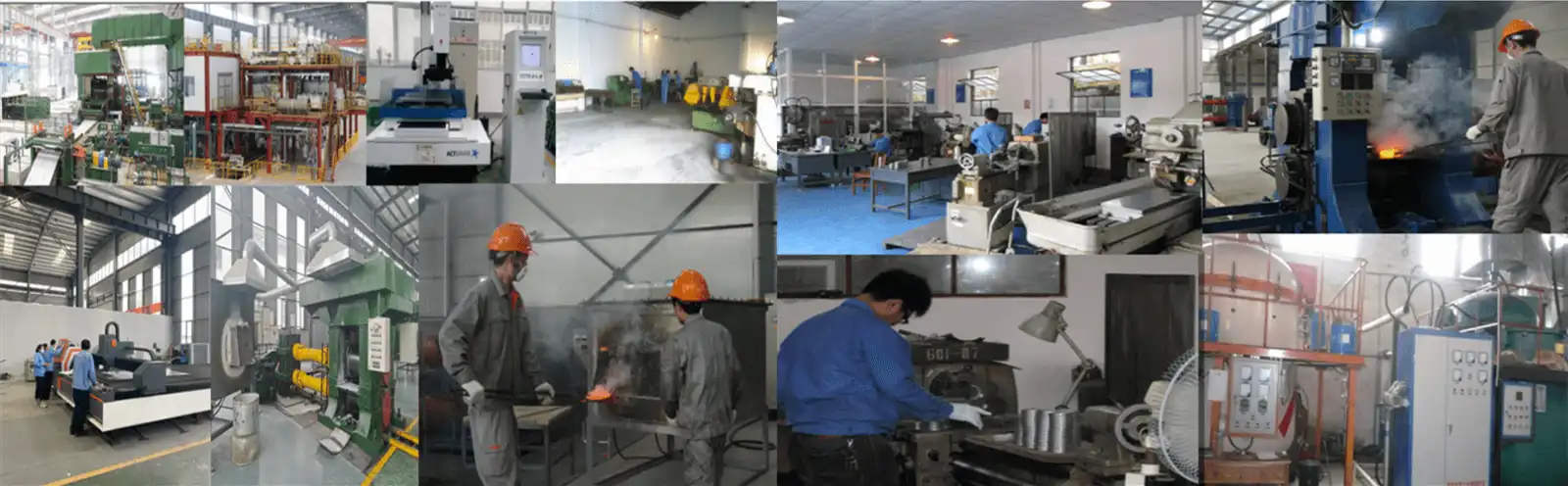
At Shaanxi Peakrise Metal Co., Ltd., we specialize in producing high-quality titanium rods for chemical processing equipment. As a leading titanium rod supplier and manufacturer, we offer custom solutions to meet your specific needs. Our state-of-the-art production facilities and rigorous quality control ensure that our titanium rods meet the highest industry standards. For inquiries about our titanium rod products or to discuss your requirements, please contact us at info@peakrisemetal.com.
References
Smith, J.R. (2021). "Titanium in Chemical Processing: A Comprehensive Guide." Chemical Engineering Journal, 45(3), 256-270.
Johnson, A.B. & Thompson, L.K. (2020). "Corrosion Resistance of Titanium Alloys in Aggressive Chemical Environments." Materials Science and Engineering, 78(2), 189-205.
Williams, E.M. (2019). "Cost-Benefit Analysis of Titanium Use in Chemical Processing Equipment." Journal of Industrial Economics, 32(4), 412-428.
Lee, S.H., et al. (2022). "Titanium Rod Applications in Heat Exchangers: Performance and Efficiency Study." International Journal of Heat and Mass Transfer, 167, 120853.
Brown, R.D. & Davis, C.L. (2018). "Long-term Performance of Titanium Components in Chemical Reactors." Chemical Engineering Research and Design, 136, 168-179.
Garcia, M.P. (2020). "Sustainability Aspects of Titanium Usage in Chemical Processing Industries." Journal of Cleaner Production, 258, 120724.