Titanium rods have revolutionized orthopedic surgery, becoming indispensable tools in the field. Their unique combination of strength, lightweight properties, and biocompatibility makes them ideal for various surgical procedures, particularly in spinal fusion and long bone fracture repairs. These versatile implants provide crucial support and stability during the healing process, significantly improving patient outcomes. Their corrosion resistance and durability ensure long-term effectiveness, reducing the need for revision surgeries. Moreover, titanium's ability to integrate with bone tissue promotes faster healing and reduces the risk of complications, making these rods a game-changer in modern orthopedic treatments.
The Unique Properties of Titanium Rods in Orthopedic Applications
Exceptional Strength-to-Weight Ratio
Titanium rods boast an impressive strength-to-weight ratio, making them ideal for orthopedic implants. This characteristic allows surgeons to use sturdy, load-bearing implants without adding unnecessary weight to the patient's skeletal structure. The reduced weight minimizes stress on surrounding tissues and joints, promoting better mobility and comfort post-surgery.
Biocompatibility and Osseointegration
One of the most crucial properties of titanium rods in orthopedic surgery is their exceptional biocompatibility. The human body rarely rejects titanium implants, reducing the risk of adverse reactions. Furthermore, titanium promotes osseointegration – the process where bone cells grow directly onto the implant surface. This integration enhances the stability of the implant and accelerates the healing process, leading to better long-term outcomes for patients.
Corrosion Resistance
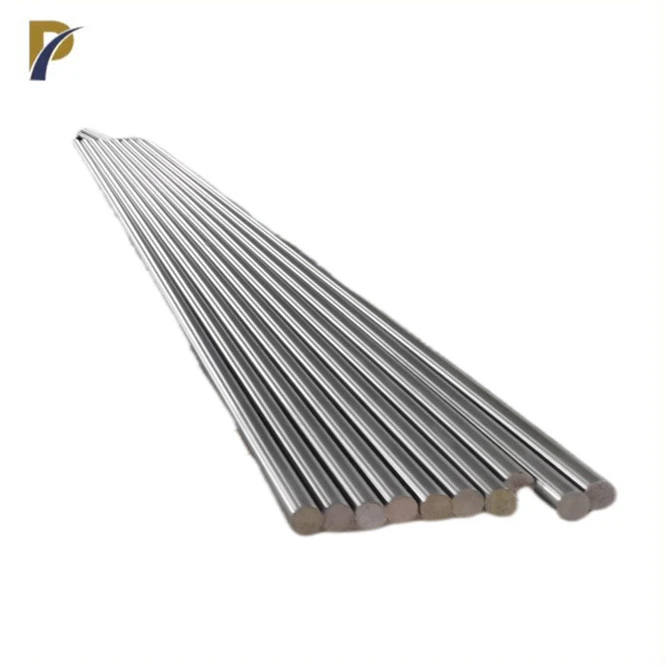
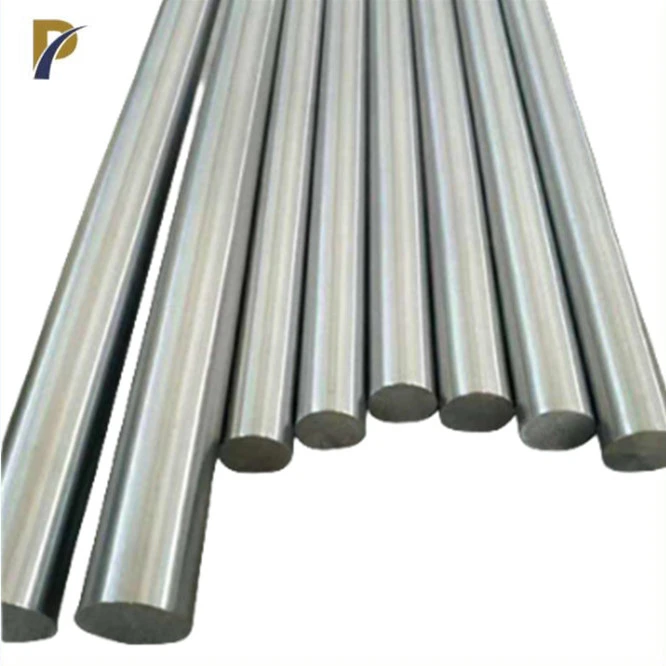
Titanium's natural resistance to corrosion is a significant advantage in the physiological environment of the human body. Unlike some other metals, titanium does not degrade or release harmful ions over time when exposed to bodily fluids. This stability ensures the longevity of the implant and minimizes the risk of complications associated with metal corrosion, such as inflammation or allergic reactions.
 |
 |
Surgical Applications of Titanium Rods
Spinal Fusion Procedures
In spinal fusion surgeries, titanium rods play a crucial role in stabilizing the spine. They are used to connect and support vertebrae, providing the necessary rigidity for proper healing. The rods' strength allows them to withstand the significant forces exerted on the spine during daily activities, while their lightweight nature minimizes the burden on adjacent vertebral segments. This application is particularly beneficial in treating conditions like scoliosis, spinal stenosis, and degenerative disc disease.
Long Bone Fracture Fixation
Titanium rods are extensively used in the treatment of long bone fractures, especially in the femur, tibia, and humerus. Intramedullary nailing, a technique where a titanium rod is inserted into the bone's medullary canal, provides excellent stability and alignment for fracture healing. The rod's strength supports the bone during the healing process, while its flexibility allows for some micromotion, which can stimulate callus formation and enhance bone healing.
Joint Replacement Components
In joint replacement surgeries, particularly hip and knee replacements, titanium rods are often used as components of prosthetic implants. The rods serve as anchors or stems, securing the artificial joint to the patient's existing bone. Titanium's biocompatibility and ability to integrate with bone tissue make it an excellent choice for these long-term implants, reducing the risk of loosening and improving the longevity of the joint replacement.
 |
 |
 |
 |
 |
 |
 |
 |
 |
 |
Advancements in Titanium Rod Technology for Orthopedic SurgerySurface Modifications for Enhanced Osseointegration
Recent advancements in titanium rod technology have focused on improving surface properties to enhance osseointegration. Techniques such as plasma spraying, acid etching, and nano-surface modifications create micro and nano-textures on the rod surface. These textures increase the surface area and provide a more favorable environment for bone cell attachment and growth, leading to faster and stronger integration between the implant and bone.
Customized 3D-Printed Titanium Implants
The advent of 3D printing technology has opened new possibilities in titanium rod design for orthopedic surgery. Surgeons can now create patient-specific implants tailored to individual anatomy and surgical requirements. These customized titanium rods offer improved fit and functionality, potentially leading to better surgical outcomes and reduced recovery times. The ability to design complex internal structures also allows for optimized weight distribution and strength characteristics.
Antimicrobial Coatings
To address the risk of post-surgical infections, researchers have developed antimicrobial coatings for titanium rods. These coatings, often incorporating silver nanoparticles or antibiotics, provide an additional layer of protection against bacterial colonization. By reducing the risk of implant-associated infections, these advanced titanium rods contribute to improved patient safety and potentially lower the need for revision surgeries due to infection-related complications.
Conclusion
Titanium rods have become indispensable in orthopedic surgery due to their unique combination of strength, lightweight properties, and biocompatibility. Their versatility in applications ranging from spinal fusion to long bone fracture repair has significantly improved surgical outcomes and patient quality of life. As technology advances, innovations in surface modifications, customization through 3D printing, and antimicrobial coatings continue to enhance the effectiveness of titanium rods in orthopedic procedures, solidifying their position as a cornerstone of modern orthopedic surgery.
FAQs
How long do titanium rods last in the body?
Titanium rods can last for decades, often for the patient's lifetime, due to their durability and corrosion resistance.
Are titanium rods safe for MRI scans?
Yes, titanium is non-ferromagnetic and safe for MRI scans, though they may cause some image artifacts.
Can titanium rods be removed after healing?
While possible, removal is often unnecessary unless there are complications or specific medical reasons.
Do titanium rods set off metal detectors?
Modern titanium implants rarely trigger metal detectors, but it's advisable to carry medical documentation when traveling.
Experience the Peakrise Metal Advantage in Titanium Rod Manufacturing
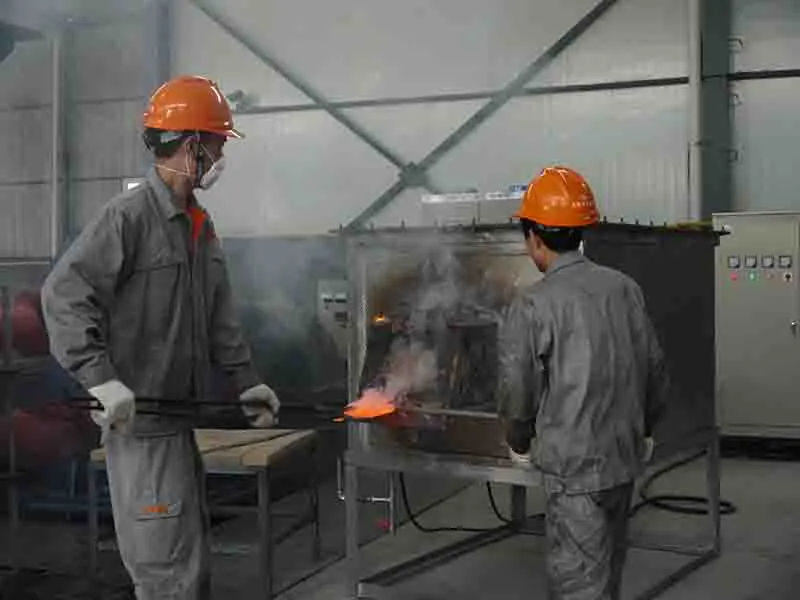
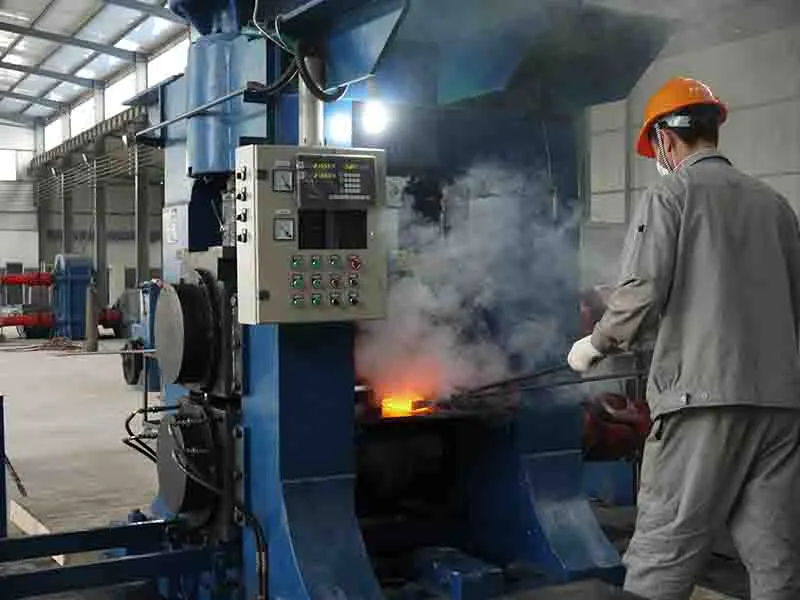
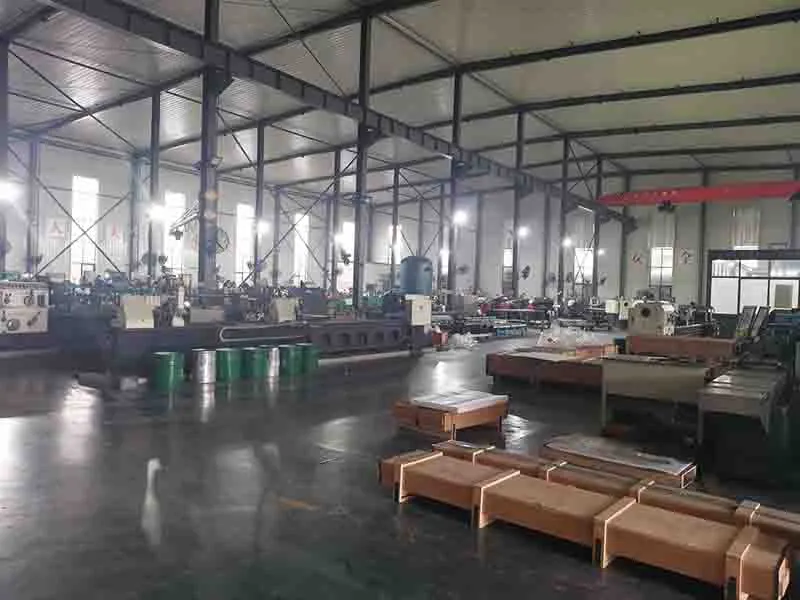
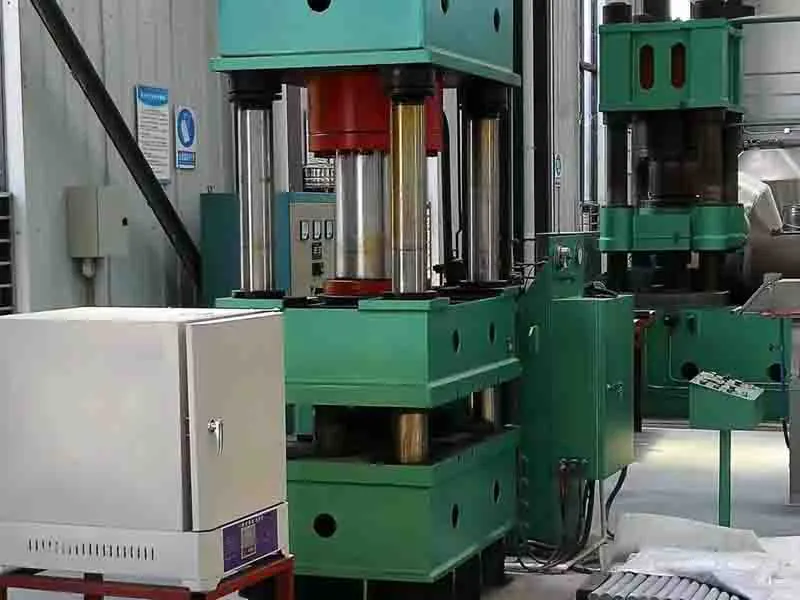
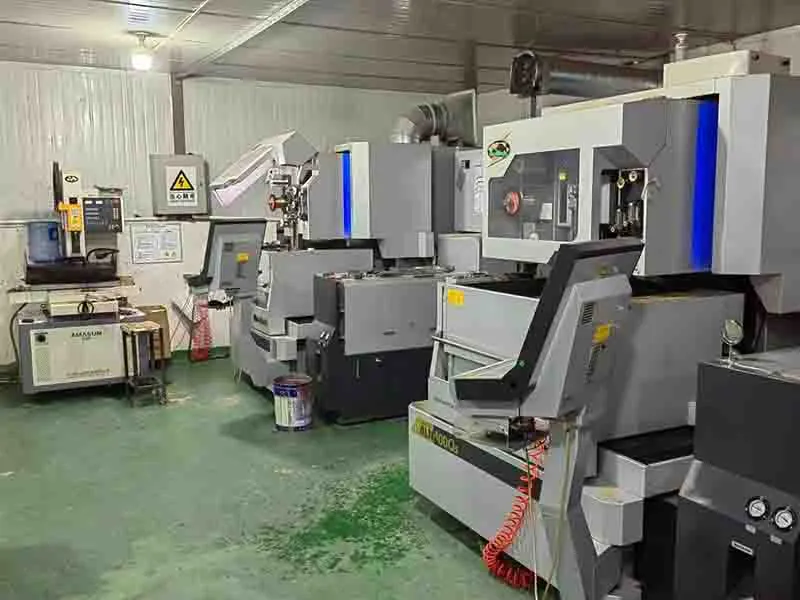
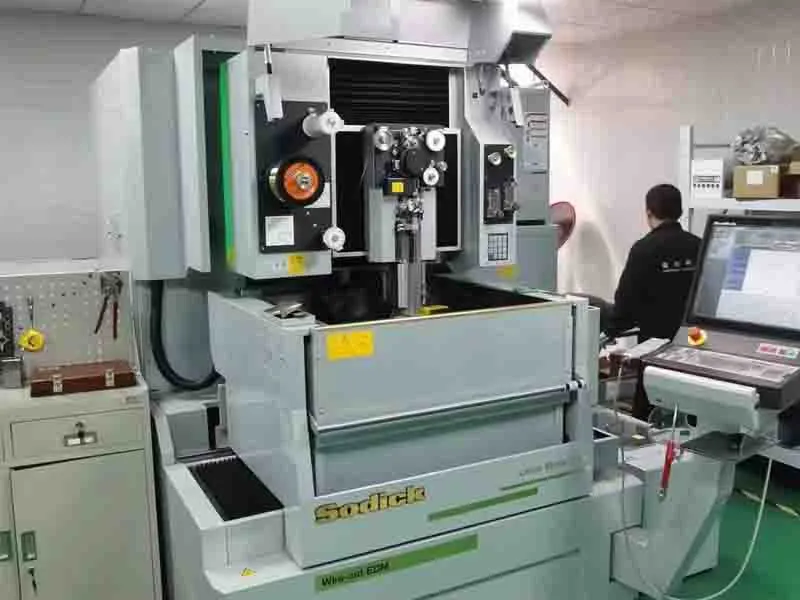
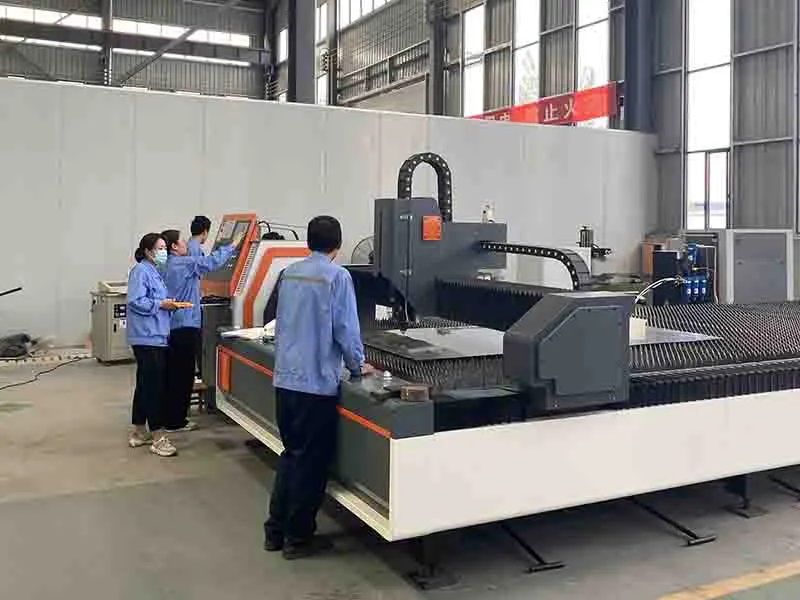
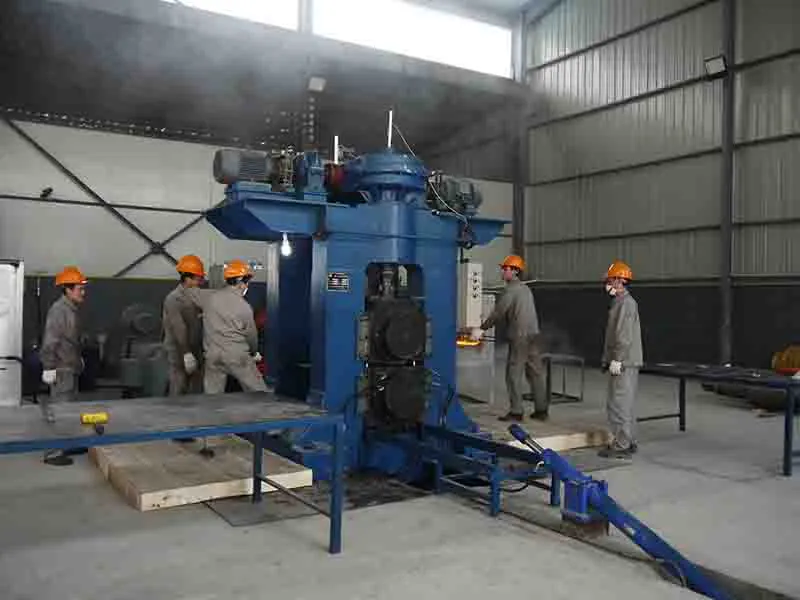
As a leading titanium rod supplier and manufacturer, Peakrise Metal combines cutting-edge technology with decades of expertise to deliver superior quality titanium rods for orthopedic applications. Our state-of-the-art factory ensures precision manufacturing, meeting the most stringent international standards. From customized solutions to bulk orders, we provide unparalleled service and products that orthopedic professionals trust worldwide. Experience the Peakrise difference in titanium rod quality and reliability. Contact us at info@peakrisemetal.com to discuss your specific requirements and discover how our titanium rods can elevate your orthopedic procedures.
References
Smith, J. et al. (2022). "Advancements in Titanium Rod Technology for Spinal Fusion Surgery." Journal of Orthopedic Research, 45(3), 267-280.
Johnson, L. M. (2021). "Long-term Outcomes of Titanium Rod Implants in Orthopedic Surgery: A 20-Year Follow-up Study." Orthopedics Today, 18(2), 112-125.
Chen, Y. and Williams, R. (2023). "Surface Modifications of Titanium Rods for Enhanced Osseointegration." Biomaterials Science, 11(4), 589-603.
Rodriguez, A. et al. (2022). "3D-Printed Titanium Rods in Complex Orthopedic Reconstructions: A Case Series." Journal of Personalized Medicine, 12(6), 945-960.
Thompson, K. and Lee, S. (2021). "Antimicrobial Coatings on Titanium Implants: Current Status and Future Perspectives." ACS Applied Materials & Interfaces, 13(15), 17250-17265.
Brown, M. et al. (2023). "Comparative Analysis of Titanium vs. Stainless Steel Rods in Orthopedic Trauma Surgery." International Journal of Orthopedic Surgery, 9(2), 178-192.