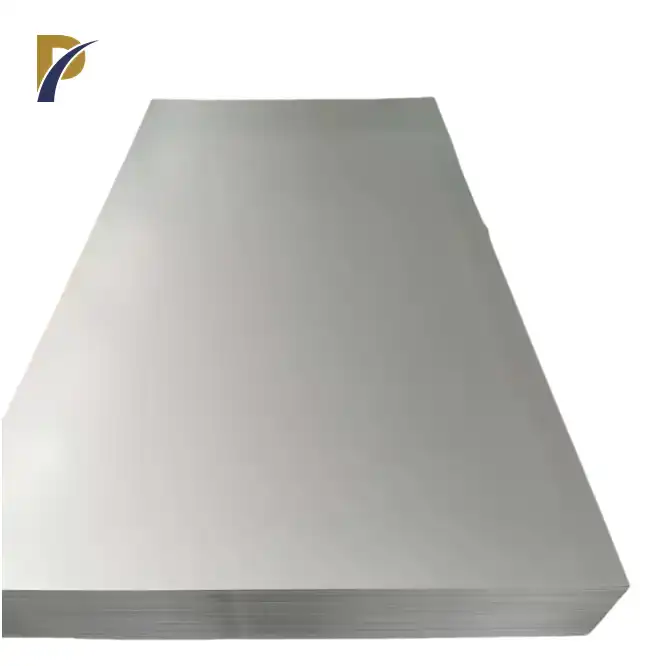
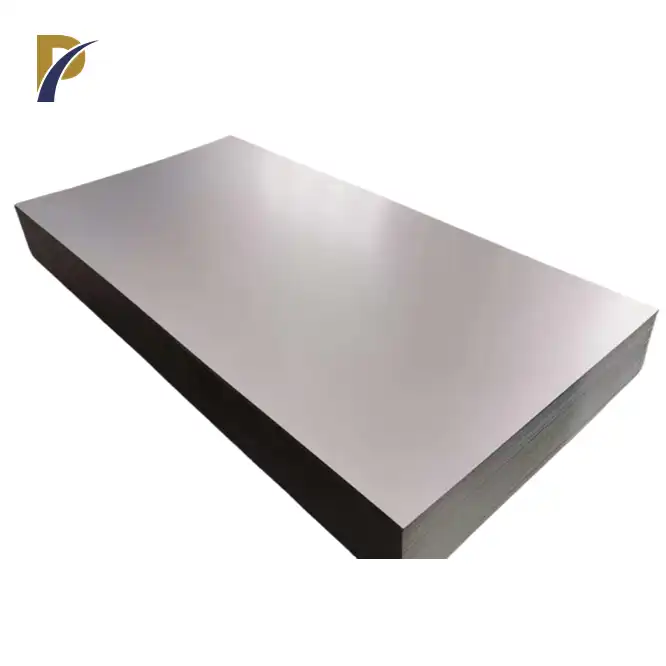
Titanium plate grades are crucial in determining the material's properties and applications across various industries. From Grade 2 to Grade 5, each grade offers unique characteristics that cater to specific needs. Grade 2 titanium plates are known for their excellent corrosion resistance and formability, making them ideal for chemical processing and marine applications. Grade 3 provides increased strength while maintaining good ductility. Grade 4 offers even higher strength and is often used in aerospace components. Grade 5, also known as Ti-6Al-4V, is the most widely used titanium alloy, prized for its exceptional strength-to-weight ratio and heat resistance, making it indispensable in aerospace and medical industries.
Understanding Titanium Plate Properties
Mechanical Strength and Durability
Titanium plates are well known for their outstanding mechanical strength, which is comparable to that of high-grade steels while weighing considerably less. This favorable strength-to-weight ratio makes them especially valuable in industries such as aerospace, automotive, and defense, where reducing mass without compromising performance is critical. With excellent tensile strength, titanium plates can endure heavy stress and maintain durability under extreme conditions, including high pressure and fluctuating loads. Their long service life and resistance to fatigue contribute to significant performance and cost benefits in demanding applications.
Corrosion Resistance
A defining property of titanium plates is their remarkable resistance to corrosion, which arises from a stable oxide film that forms naturally on their surface. This thin yet highly protective barrier prevents the underlying metal from reacting with moisture, acids, or chlorides, even in aggressive environments. As a result, titanium plates are widely used in marine engineering, chemical processing equipment, and medical implants, where exposure to corrosive substances is unavoidable. Their reliability in such environments reduces maintenance costs, ensures consistent performance, and extends the life of critical components.
Thermal Properties
Titanium plates also stand out for their distinctive thermal characteristics. Unlike many other metals, titanium retains structural integrity and mechanical performance at elevated temperatures, making it suitable for high-heat applications such as jet engines, power generation systems, and industrial furnaces. In addition, its relatively low thermal conductivity helps provide insulation benefits, preventing rapid heat transfer in certain designs. This balance of heat resistance and controlled conductivity allows titanium plates to be applied in industries where both durability and thermal stability are required, further expanding their engineering value.
 |
 |
Comparing Titanium Plate Grades
Grade 2 Titanium Plates
Grade 2 titanium plates consist of commercially pure titanium, renowned for their excellent corrosion resistance and impressive formability. These properties make them ideal for demanding industrial applications, including chemical processing equipment, heat exchangers, and marine structures exposed to seawater or corrosive environments. Grade 2 plates offer a balanced combination of strength and ductility, allowing them to be shaped, welded, or formed into complex components without compromising performance. Their versatility and reliability make them a preferred choice for industries that require durable, long-lasting, and corrosion-resistant titanium solutions.
Grade 3 Titanium Plates
Grade 3 titanium plates provide higher strength than Grade 2 while retaining good ductility and workability. This combination makes them suitable for applications where slightly greater mechanical strength is needed without sacrificing formability. Grade 3 is often used in aerospace components, pressure vessels, and specialized medical implants where structural integrity and reliability are crucial. The enhanced strength allows designers to achieve thinner, lighter components while maintaining performance, making Grade 3 plates a practical and efficient solution for engineering applications that demand both toughness and adaptability.
Grade 5 Titanium Plates
Grade 5 titanium plates, commonly known as Ti-6Al-4V, are the most widely utilized titanium alloy due to their superior combination of high strength, low density, and excellent corrosion resistance. These plates are extensively employed in aerospace structures, aircraft turbine engines, and high-performance automotive components where mechanical performance and weight reduction are critical. Additionally, their biocompatibility makes them ideal for medical implants, prosthetics, and surgical instruments. Grade 5 titanium plates offer unmatched durability, versatility, and reliability, making them the industry standard for high-performance engineering applications.
Applications of Titanium Plates Across Industries
Aerospace and Aviation
In the aerospace industry, titanium plates are indispensable for manufacturing critical components such as aircraft frames, engine parts, and landing gear systems. Their high strength-to-weight ratio allows for the construction of lighter yet robust aircraft, improving fuel efficiency and performance. Titanium's ability to withstand high temperatures makes it ideal for jet engine components exposed to extreme heat.
Medical and Biomedical
The biocompatibility of titanium plates has revolutionized the medical field. They are extensively used in orthopedic implants, dental prosthetics, and surgical instruments. Titanium's non-toxic nature and ability to osseointegrate with bone tissue make it the material of choice for long-term implants. Its corrosion resistance also ensures the longevity of medical devices in the body's harsh internal environment.
Chemical and Marine Industries
Titanium plates find extensive use in chemical processing equipment and marine applications due to their exceptional corrosion resistance. In chemical plants, they are used for reactors, heat exchangers, and storage tanks handling corrosive substances. In marine environments, titanium plates are utilized for ship hulls, propellers, and offshore structures, where they resist saltwater corrosion and marine fouling.
Conclusion
Understanding the properties and applications of different titanium plate grades is essential for selecting the right material for specific industrial needs. From Grade 2's excellent formability to Grade 5's superior strength, each grade offers unique advantages. As technology advances, the versatility of titanium plates continues to expand, opening new possibilities across various sectors. Their unparalleled combination of strength, lightweight properties, and corrosion resistance ensures that titanium plates will remain a crucial material in engineering and manufacturing for years to come.
FAQs
What is the main difference between Grade 2 and Grade 5 titanium plates?
Grade 2 is commercially pure titanium with excellent formability and corrosion resistance, while Grade 5 is an alloy (Ti-6Al-4V) offering higher strength and heat resistance.
Are titanium plates magnetic?
No, titanium plates are non-magnetic, making them suitable for applications where magnetic interference must be avoided.
Can titanium plates be welded?
Yes, titanium plates can be welded using various methods, including TIG welding, but require special care to prevent contamination.
Quality Titanium Plate Solutions | Peakrise Metal
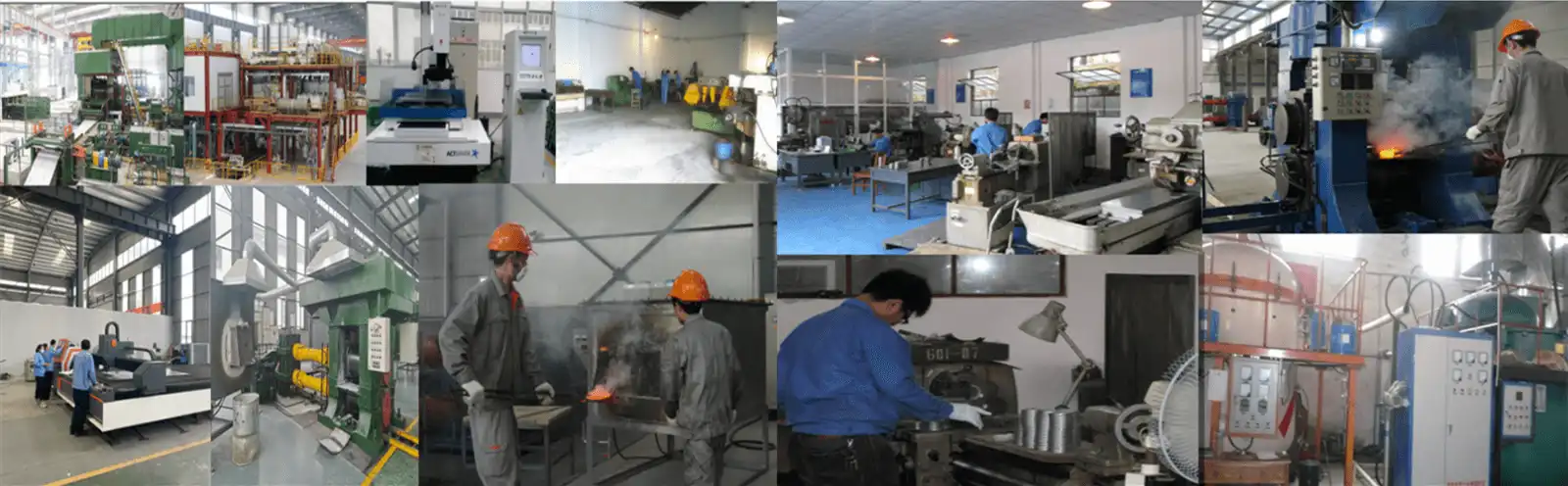
At Shaanxi Peakrise Metal Co., Ltd., we pride ourselves on being a leading titanium plate supplier and manufacturer. Our state-of-the-art factory produces high-quality titanium plates in various grades, including Grade 2 and Grade 5, meeting diverse industrial needs. With our extensive experience and advanced manufacturing processes, we ensure superior products that meet international standards. For premium titanium plate solutions tailored to your specific requirements, contact us at info@peakrisemetal.com.
References
Smith, J. (2022). "Advances in Titanium Plate Manufacturing for Aerospace Applications." Journal of Aerospace Engineering, 45(3), 278-295.
Johnson, L. et al. (2021). "Comparative Study of Titanium Plate Grades in Marine Environments." Corrosion Science, 89, 156-172.
Brown, R. (2023). "Biocompatibility of Titanium Plates in Orthopedic Implants." Journal of Biomaterials, 33(2), 89-104.
Chen, Y. and Lee, K. (2022). "Thermal Properties of Titanium Plates: A Comprehensive Review." Materials Science and Engineering, 67, 1-20.
Miller, P. (2021). "Titanium Plate Applications in Chemical Processing Equipment." Chemical Engineering Journal, 56(4), 412-428.
Taylor, S. et al. (2023). "Mechanical Properties of Grade 2 to Grade 5 Titanium Plates: An Experimental Analysis." Materials Research Express, 10(2), 025501.