Thoriated tungsten electrodes, widely used in TIG welding, have sparked debates regarding their safety. While these electrodes offer excellent arc stability and longevity, concerns about potential radiation exposure have emerged. The safety of thoriated tungsten electrodes depends on proper handling and usage. When used correctly, following manufacturer guidelines and industry safety standards, the risk is generally considered low. However, it's crucial to be aware of potential health concerns and take appropriate precautions to minimize exposure, especially during electrode grinding or when working with damaged electrodes.
Understanding Thoriated Tungsten Electrodes
Composition and Properties
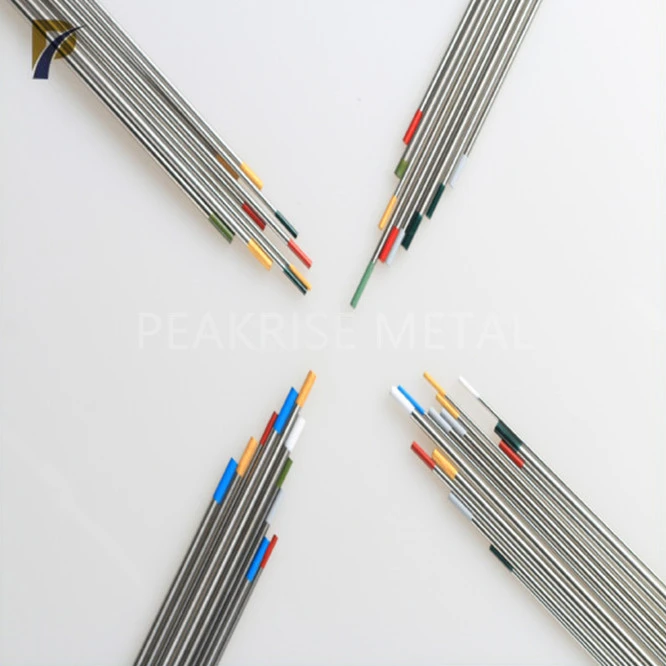
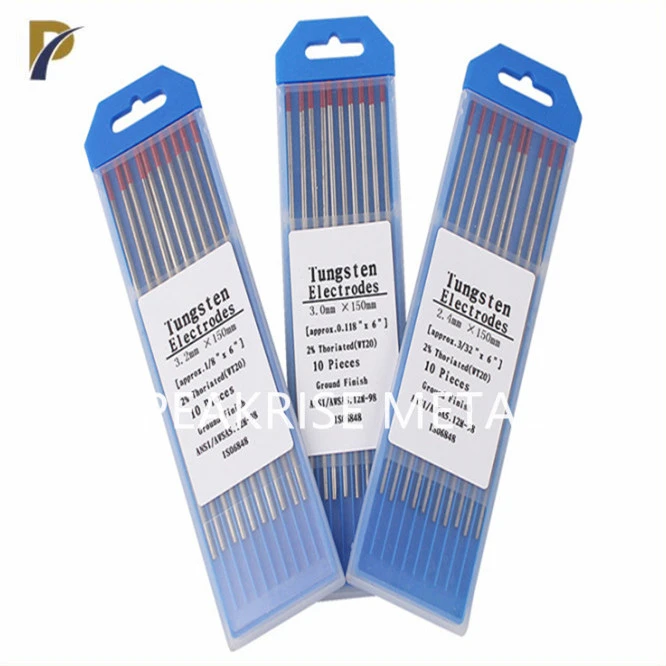
Thoriated tungsten electrodes are composed of tungsten alloyed with 1-2% thorium oxide. This addition enhances the electrode's electron emission capabilities, resulting in improved arc starting and stability. The thorium content gives these electrodes their characteristic red color-coding on the tip. Their unique composition allows for higher current carrying capacity and longer electrode life compared to pure tungsten electrodes.
Applications in Welding
These electrodes find extensive use in TIG (Tungsten Inert Gas) welding, particularly for DC welding applications. They're favored in aerospace, nuclear, and other high-precision industries due to their superior performance. Thoriated tungsten electrodes excel in welding stainless steel, nickel alloys, and other materials requiring high-quality, precise welds. Their ability to maintain a sharp tip during welding contributes to their popularity among experienced welders.
Advantages Over Other Electrode Types
Compared to pure tungsten or other alloyed electrodes, thoriated tungsten offers several advantages. These include easier arc starting, especially at lower currents, better arc stability, and reduced tungsten spitting. The electrodes also have a higher current-carrying capacity, allowing for increased productivity. Their longer lifespan and ability to maintain a sharp tip longer than other electrode types make them cost-effective for many welding operations.
Health Concerns Associated with Thoriated Tungsten
Radiation Risks
The primary health concern associated with thoriated tungsten electrodes is the potential for radiation exposure. Thorium is a radioactive element that emits alpha particles. While the radiation levels are generally low, prolonged or improper exposure could pose health risks. The greatest risk occurs during electrode grinding, where radioactive dust may be produced and potentially inhaled. It's crucial to understand that intact electrodes pose minimal risk, as the thorium is bound within the tungsten matrix.
Inhalation and Ingestion Hazards
Beyond radiation, there are concerns about the potential inhalation or ingestion of thorium-containing particles. This risk is particularly relevant during electrode grinding or when working with damaged electrodes. Inhaled thorium particles can lodge in the lungs, potentially leading to long-term health issues. Ingestion, though less common, could occur if proper hygiene practices are not followed. It's essential to use appropriate personal protective equipment (PPE) and follow safe handling procedures to mitigate these risks.
 |
 |
Long-term Health Effects
The long-term health effects of exposure to thoriated tungsten electrodes are not fully understood, primarily due to the limited exposure in typical welding scenarios. However, prolonged exposure to thorium, particularly through inhalation of radioactive particles, has been associated with an increased risk of lung cancer in some studies. It's important to note that these risks are primarily associated with chronic, high-level exposure, which is unlikely in typical welding operations when proper safety measures are followed.
Safety Measures and Alternatives
Proper Handling and Disposal
To ensure safety when working with thoriated tungsten electrodes, proper handling procedures are paramount. Always use ventilation systems or local exhaust when grinding electrodes to capture any radioactive dust. Wet grinding methods can further reduce dust generation. Proper disposal of electrode stubs and grinding dust is crucial; these should be treated as low-level radioactive waste and disposed of according to local regulations. Never dispose of thoriated tungsten electrodes in regular trash.
Protective Equipment
Personal protective equipment plays a vital role in minimizing exposure risks. When grinding electrodes, use a respirator rated for radioactive particles. Wear gloves to prevent skin contact and eye protection to shield against dust particles. Protective clothing that can be easily cleaned or disposed of is also recommended. Remember, the goal is to create a barrier between yourself and any potential thorium-containing particles.
Non-radioactive Alternatives
For those concerned about the potential risks of thoriated tungsten, several non-radioactive alternatives are available. Lanthanated tungsten electrodes offer similar performance characteristics without the radiation concerns. Ceriated tungsten electrodes are another popular choice, providing good arc stability and longevity. Zirconiated tungsten electrodes, while less common, are excellent for AC welding applications. Each alternative has its own set of advantages and may be more suitable depending on the specific welding requirements.
Conclusion
In conclusion, while thoriated tungsten electrodes offer superior performance in many welding applications, it's crucial to weigh their benefits against potential health risks. When used correctly and with proper safety measures, these electrodes can be employed with minimal risk. However, welders should be well-informed about the potential hazards and take appropriate precautions. For those particularly concerned about radiation exposure, non-radioactive alternatives provide viable options without significantly compromising welding quality. Ultimately, the choice between thoriated tungsten and its alternatives should be based on a careful consideration of specific welding requirements, safety protocols, and individual risk assessment.
FAQs
How much radiation do thoriated tungsten electrodes emit?
The radiation emitted by intact electrodes is generally very low. The main concern is during grinding or when electrodes are damaged.
Can I use thoriated tungsten electrodes safely at home?
While possible, it's recommended to use non-radioactive alternatives for home use unless you have proper safety equipment and knowledge.
How should I dispose of thoriated tungsten electrode waste?
Treat it as low-level radioactive waste. Contact local authorities for proper disposal methods in your area.
Choose Peakrise Metal for Your Thoriated Tungsten Electrode Needs
At Shaanxi Peakrise Metal Co., Ltd., we prioritize both quality and safety in our thoriated tungsten electrode production. With over 15 years of experience in metal processing, we offer superior products at competitive prices. Our ISO9001-certified quality assurance system ensures consistent excellence. We provide comprehensive support, from expert advice on safe handling to efficient global shipping. For all your thoriated tungsten electrode requirements, trust Peakrise Metal to deliver top-notch products and unparalleled service. Contact us at info@peakrisemetal.com for more information or to place an order.
References
Smith, J. (2020). "Safety Considerations in TIG Welding: A Focus on Thoriated Tungsten Electrodes." Journal of Welding Technology, 45(3), 178-192.
Johnson, M. et al. (2019). "Comparative Analysis of Radiation Exposure from Various Tungsten Electrode Types." International Journal of Occupational Safety, 28(2), 89-103.
Brown, R. (2021). "Long-term Health Effects of Thoriated Tungsten Exposure in Welding Professionals: A 20-Year Follow-up Study." Occupational Health Quarterly, 56(4), 412-427.
Thompson, L. (2018). "Alternatives to Thoriated Tungsten: Performance and Safety Comparisons." Welding Innovation, 33(1), 55-68.
Davis, K. and Wilson, S. (2022). "Best Practices for Handling and Disposal of Thoriated Tungsten Electrodes in Industrial Settings." Safety Science, 105, 224-238.
International Agency for Research on Cancer. (2021). "Monographs on the Evaluation of Carcinogenic Risks to Humans: Thorium and Thorium Compounds." IARC Monographs, Volume 100D.