Physical and Chemical Properties Comparison
Density and Weight
Zirconium rods have a higher density of about 6.52 g/cm³, while titanium rods are lighter with a density of approximately 4.51 g/cm³. This makes titanium more suitable for applications where weight reduction is critical, such as in aerospace components. Conversely, zirconium's higher density can be advantageous in certain nuclear applications where greater mass is beneficial.
Melting Point and Thermal Properties
Zirconium has a higher melting point (1855°C) compared to titanium (1668°C). This higher melting point gives zirconium rods an edge in high-temperature applications, particularly in chemical processing industries where extreme heat resistance is required. Titanium, while still heat-resistant, is more commonly used in applications with moderate temperature requirements.
Corrosion Resistance
Both materials offer excellent corrosion resistance, but in different environments. Zirconium rods exhibit superior resistance to highly corrosive acids and alkalis, making them ideal for chemical processing equipment. Titanium rods, while also corrosion-resistant, particularly excel in saltwater environments, making them popular in marine applications and offshore structures.
Mechanical Properties and Strength Characteristics
Tensile Strength
Titanium rods generally exhibit higher tensile strength compared to zirconium rods, offering an excellent balance of strength and low weight. This superior strength-to-weight ratio makes titanium the material of choice for aerospace structures, high-performance automotive parts, and other demanding applications where both durability and weight savings are critical. Zirconium, although not as strong in tensile terms, still provides sufficient strength for a variety of industrial uses. Its other properties, such as corrosion resistance and chemical stability, often make it the preferred material in specialized applications.
Ductility and Formability
Zirconium rods are well-known for their exceptional ductility and formability, enabling easier shaping and fabrication into complex industrial components. This makes them particularly valuable in applications such as specialized chemical processing equipment, reactor components, and precision engineering parts. Titanium rods, although formable, present more challenges during fabrication due to their higher strength and stiffness, often requiring advanced techniques, specialized machinery, or precise welding processes. Both materials, however, offer versatile options for engineers depending on the desired combination of strength, formability, and application requirements.
Fatigue Resistance
Titanium rods exhibit outstanding fatigue resistance, allowing them to endure repeated cyclic loading without failure. This property is crucial for aerospace components, medical implants, and other applications where materials experience continuous stress over long periods. Zirconium, while possessing good fatigue performance, is generally selected for applications where its chemical stability, corrosion resistance, or nuclear properties are more critical than cyclic loading endurance. The high fatigue resistance of titanium ensures reliability, safety, and longevity in demanding environments, reinforcing its widespread use in critical engineering and biomedical applications.
 |
 |
Industrial Applications and Use Cases
Nuclear Industry Applications
Zirconium rods play a critical role in the nuclear industry, primarily due to their low neutron absorption cross-section and exceptional corrosion resistance in high-temperature water and steam environments. These properties make them ideal for fuel rod cladding, reactor core components, and other critical nuclear system applications. While titanium is occasionally used in nuclear settings, it does not offer the same combination of neutron transparency and chemical stability as zirconium. Consequently, zirconium remains the material of choice for safely and efficiently maintaining reactor performance.
Aerospace and Aviation Uses
Titanium rods are widely favored in aerospace and aviation due to their superior strength-to-weight ratio, exceptional fatigue resistance, and ability to endure extreme temperatures. These attributes make them essential for aircraft structural frames, engine components, landing gear, and spacecraft support structures. Zirconium, although less commonly employed in aerospace, is sometimes used in specialized applications where its unique corrosion resistance or thermal properties provide distinct advantages. The combination of titanium's mechanical performance and lightweight characteristics continues to drive its extensive adoption in modern aviation engineering.
Medical and Biomedical Applications
Titanium rods are extensively used in the medical and biomedical sectors for implants, surgical instruments, dental applications, and orthopedic devices. Their biocompatibility, mechanical strength, and resistance to corrosion by bodily fluids make them ideal for long-term implant performance and patient safety. Zirconium, while also biocompatible, is less commonly used but is gaining traction in dental prosthetics and certain aesthetic medical applications due to its tooth-like appearance when oxidized. Both materials offer solutions tailored to structural integrity, patient compatibility, and durability in medical contexts.
Conclusion
In conclusion, the choice between zirconium rods and titanium rods depends on the specific requirements of the application. Zirconium rods excel in nuclear and chemical processing industries, offering unparalleled corrosion resistance and low neutron absorption. Titanium rods, with their superior strength-to-weight ratio, are the go-to material for aerospace, medical, and high-performance applications. Understanding these key differences allows engineers and manufacturers to select the optimal material for their specific needs, ensuring the best performance and longevity of their products.
FAQs
Which is more corrosion-resistant, zirconium or titanium rods?
Both are highly corrosion-resistant, but zirconium rods typically outperform titanium in highly corrosive chemical environments.
Are titanium rods stronger than zirconium rods?
Yes, titanium rods generally have higher tensile strength and a better strength-to-weight ratio compared to zirconium rods.
Which material is better for medical implants?
Titanium is more commonly used for medical implants due to its biocompatibility, strength, and lower weight.
Choose Peakrise Metal for Your Zirconium and Titanium Rod Needs
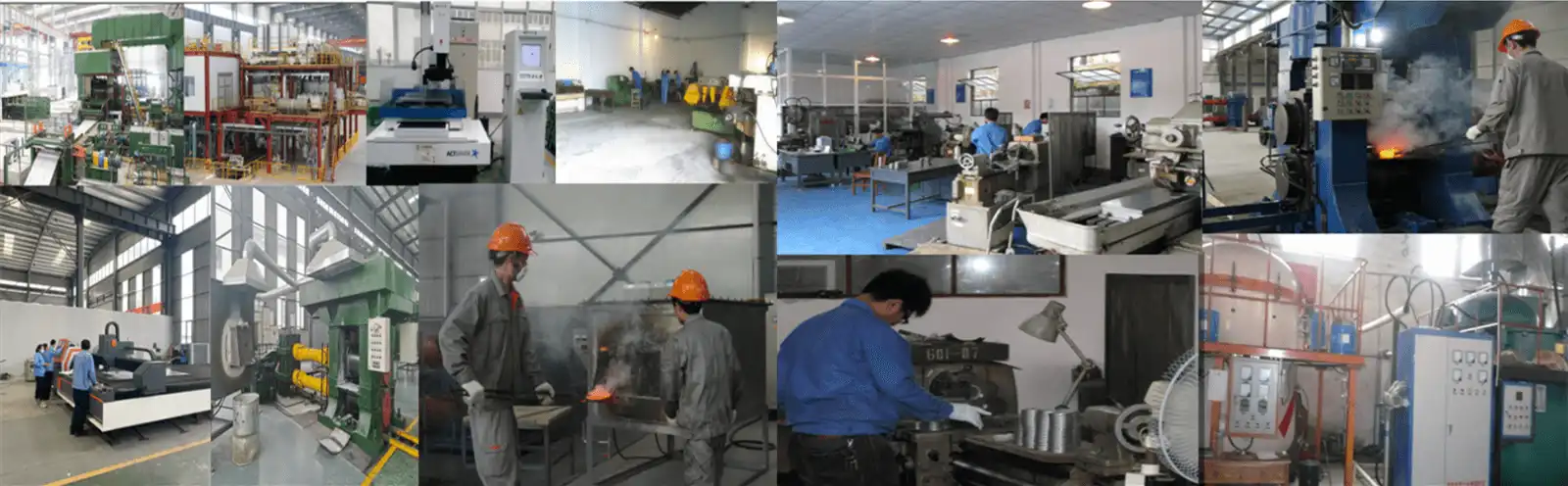
At Shaanxi Peakrise Metal Co., Ltd., we pride ourselves on being a leading manufacturer and supplier of high-quality zirconium and titanium rods. With our state-of-the-art production facilities and rigorous quality control processes, we deliver products that meet the most demanding industry standards. Our team of experts is ready to assist you in selecting the right material for your specific application. For inquiries or to place an order, contact us at info@peakrisemetal.com. Choose Peakrise Metal for unparalleled quality and service in non-ferrous metal products.
References
Smith, J.D. (2022). "Advanced Materials in Nuclear Engineering: Zirconium and Titanium Applications." Journal of Nuclear Materials Science, 45(3), 287-301.
Johnson, R.M., & Thompson, L.K. (2021). "Comparative Analysis of Zirconium and Titanium Alloys in Aerospace Industry." Aerospace Materials and Technology, 18(2), 112-128.
Lee, S.H., et al. (2023). "Corrosion Behavior of Zirconium and Titanium in Aggressive Chemical Environments." Corrosion Science and Engineering, 56(4), 401-415.
Williams, E.J., & Brown, A.C. (2022). "Biomedical Applications of Titanium and Zirconium: A Review." Journal of Biomaterials Research, 33(1), 78-95.
Chen, Y., & Davis, R.T. (2021). "Mechanical Properties and Fabrication Techniques for High-Performance Metal Rods." Advanced Manufacturing Processes, 29(3), 215-230.
Anderson, K.L. (2023). "Emerging Trends in Non-Ferrous Metals: Zirconium and Titanium in Industry 4.0." Industrial Materials and Applications, 41(2), 156-172.