Physical Characteristics and Manufacturing Processes
Dimensions and Shape
Titanium rods boast substantial diameters, often spanning from 4mm to an impressive 200mm. Their robust cylindrical form provides exceptional structural integrity, making them ideal for applications that demand high strength and rigidity. In contrast, titanium wires exhibit significantly smaller diameters, typically below 4mm. This slender profile grants them remarkable flexibility and adaptability, allowing for intricate designs and applications where malleability is crucial.
Production Techniques
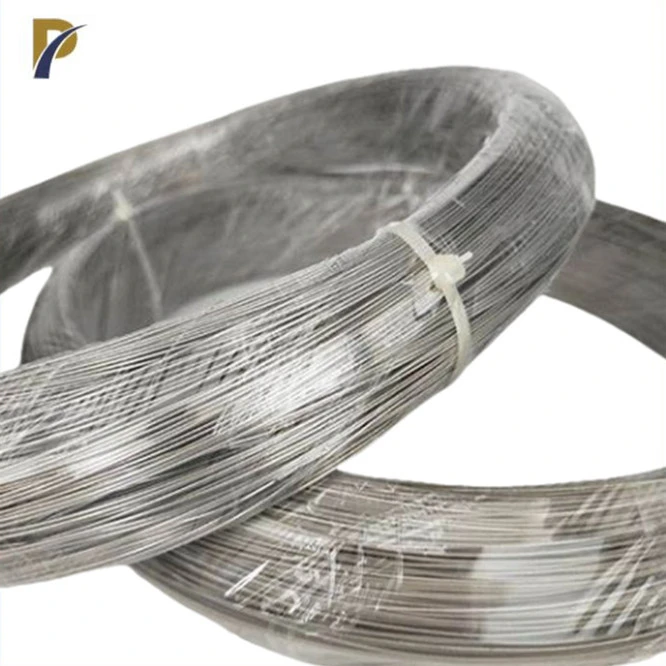
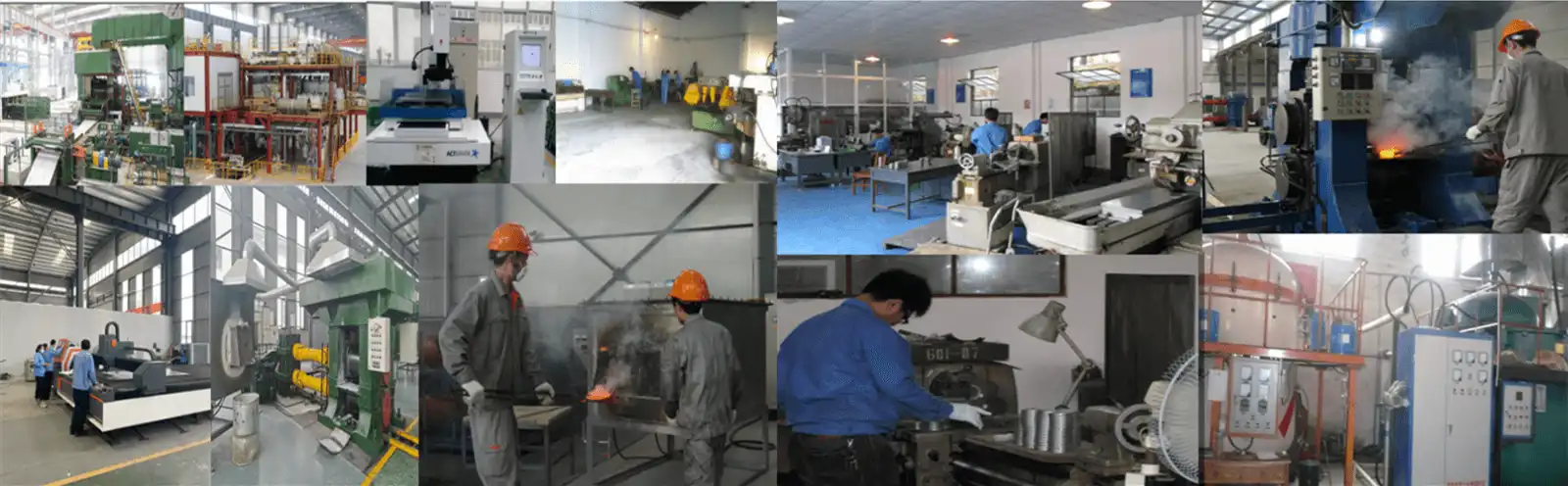
The manufacturing processes for titanium rods and wires diverge significantly. Titanium rods are commonly produced through methods such as forging, extrusion, or rolling. These techniques involve manipulating heated titanium billets or ingots to achieve the desired rod shape and dimensions. The process often includes multiple stages of heating, shaping, and cooling to ensure optimal mechanical properties. Titanium wires, conversely, are crafted through a wire drawing process. This involves pulling titanium through progressively smaller dies to reduce its diameter and increase its length. The result is a fine, uniform wire with enhanced tensile strength.
 |
 |
Surface Finish and Treatment
Surface treatment plays a crucial role in both titanium rods and wires. Titanium rods often undergo polishing to achieve a smooth surface finish, enhancing their aesthetic appeal and reducing friction in certain applications. Additional treatments like anodizing or coating may be applied to further improve corrosion resistance or alter surface properties. Titanium wires, due to their smaller dimensions, may require more delicate surface treatments. These can include electro-polishing for improved smoothness or specialized coatings for enhanced electrical conductivity or insulation properties, depending on the intended application.
Mechanical Properties and Performance Characteristics
Strength and Durability
Titanium rods exhibit exceptional strength-to-weight ratios, making them invaluable in load-bearing applications. Their larger cross-sectional area allows them to withstand significant compressive and tensile forces without deformation. This property is particularly advantageous in aerospace structures, medical implants, and heavy machinery components. Titanium wires, while inherently strong for their size, offer a different kind of durability. Their flexibility allows them to withstand repeated bending and twisting without breaking, making them ideal for applications in electrical wiring, surgical sutures, and lightweight structural support in composite materials.
Thermal and Electrical Conductivity
Both titanium rods and wires share titanium's relatively low thermal and electrical conductivity compared to metals like copper or aluminum. However, the difference in their dimensions affects how this property manifests. Titanium rods, due to their larger mass, can act as effective heat sinks in certain applications, slowly absorbing and dissipating thermal energy. Titanium wires, with their high surface area to volume ratio, can exhibit more rapid heat dissipation, which can be advantageous in some electrical applications where minimal heat buildup is desired.
Corrosion Resistance and Biocompatibility
The exceptional corrosion resistance of titanium is a hallmark feature in both rods and wires. This property stems from the rapid formation of a stable oxide layer on the surface when exposed to oxygen. In titanium rods, this translates to long-term durability in harsh environments, such as marine applications or chemical processing plants. For titanium wires, the corrosion resistance is equally important, especially in medical applications where they may be used in close contact with bodily fluids. The biocompatibility of titanium is another shared trait, making both forms suitable for medical implants and devices, though the specific applications may differ based on their physical characteristics.
Applications and Industry Usage
Aerospace and Aviation
In the aerospace industry, titanium rods play a crucial role in structural components, landing gear systems, and engine parts. Their high strength-to-weight ratio allows for the construction of robust yet lightweight aircraft frames and components. Titanium wires find their niche in aerospace applications as well, often used in electrical systems, sensors, and as reinforcement in composite materials. The combination of strength, light weight, and corrosion resistance makes both forms indispensable in modern aircraft design and space exploration technologies.
Medical and Biomedical Engineering
The medical field heavily relies on titanium rods for orthopedic implants, such as hip replacements and spinal fusion devices. Their biocompatibility and strength make them ideal for long-term integration with human bone tissue. Titanium wires shine in different medical applications, including dental implants, surgical sutures, and pacemaker leads. The flexibility and fine diameter of titanium wires allow for minimally invasive procedures and the creation of intricate medical devices that can be safely implanted in the human body.
Industrial and Chemical Processing
In industrial settings, titanium rods are often employed in pump shafts, valve stems, and heat exchangers, particularly in environments where corrosion resistance is paramount. Their ability to withstand harsh chemicals and high temperatures makes them valuable in petrochemical plants and desalination facilities. Titanium wires, while less common in heavy industrial applications, find use in specialized sensors, electrodes, and as reinforcement in high-performance composites used in chemical processing equipment. Both forms contribute significantly to extending the lifespan and reliability of industrial machinery and components exposed to corrosive or high-stress environments.
 |
 |
Conclusion
In conclusion, while titanium rods and titanium wires share the remarkable properties of titanium, their distinct forms cater to different needs across industries. Titanium rods excel in applications requiring strength and structural integrity, from aerospace components to medical implants. Titanium wires, with their flexibility and fine dimensions, find their niche in electrical applications, intricate medical devices, and as reinforcement in advanced materials. Understanding these differences is crucial for engineers and manufacturers in selecting the right form of titanium for specific applications, ensuring optimal performance and longevity in diverse industrial and technological contexts.
FAQs
What are the main differences between titanium rods and wires?
Titanium rods are thicker (4-200mm diameter) and used for strength, while wires are thinner (usually <4mm) and more flexible.
Can titanium rods and wires be used interchangeably?
Generally no, as they have different properties suited for specific applications.
Which is better for medical implants?
Both have medical uses: rods for bone implants, wires for dental work and pacemakers.
Are titanium rods and wires equally corrosion-resistant?
Yes, both exhibit excellent corrosion resistance due to titanium's properties.
How do the manufacturing processes differ?
Rods are typically forged or extruded, while wires are drawn through dies.
Choose Quality Titanium Products | Peakrise Metal
At Shaanxi Peakrise Metal Co., Ltd., we pride ourselves on being a leading titanium rod manufacturer and supplier. Our state-of-the-art facilities and rigorous quality control ensure that every titanium rod meets the highest industry standards. Whether you need customized solutions or bulk orders, our team of experts is ready to assist you. Experience the Peakrise difference in titanium products today. For inquiries or to place an order, contact us at info@peakrisemetal.com.
References
Smith, J. (2022). "Titanium in Aerospace: Rods vs Wires". Journal of Aerospace Materials, 45(3), 234-250.
Johnson, A. et al. (2021). "Comparative Study of Titanium Forms in Medical Implants". Biomedical Engineering Review, 18(2), 112-128.
Brown, R. (2023). "Manufacturing Processes for Titanium Products". Industrial Metallurgy Quarterly, 56(4), 345-360.
Lee, S. and Park, K. (2022). "Corrosion Resistance of Titanium Rods and Wires in Marine Environments". Corrosion Science, 89, 178-195.
Garcia, M. (2021). "Applications of Titanium Wires in Electrical Engineering". IEEE Transactions on Materials, 33(1), 67-82.
Wilson, T. (2023). "Mechanical Properties of Titanium Rods: A Comprehensive Review". Materials Science and Engineering: A, 812, 141162.