When comparing the strength of a titanium rod to steel, it's important to consider various factors. Titanium rods typically exhibit a strength-to-weight ratio that surpasses that of steel. While steel is generally stronger in absolute terms, titanium's lower density gives it a significant advantage in specific strength. For instance, grade 5 titanium (Ti-6Al-4V) has a tensile strength of about 900 MPa and a density of 4.43 g/cm³, whereas stainless steel 316 has a tensile strength of around 500 MPa and a density of 8 g/cm³. This means that a titanium rod can provide comparable strength to steel while being nearly 45% lighter, making it an excellent choice for applications where weight reduction is crucial.
Mechanical Properties of Titanium Rods vs. Steel Rods
Tensile Strength Comparison
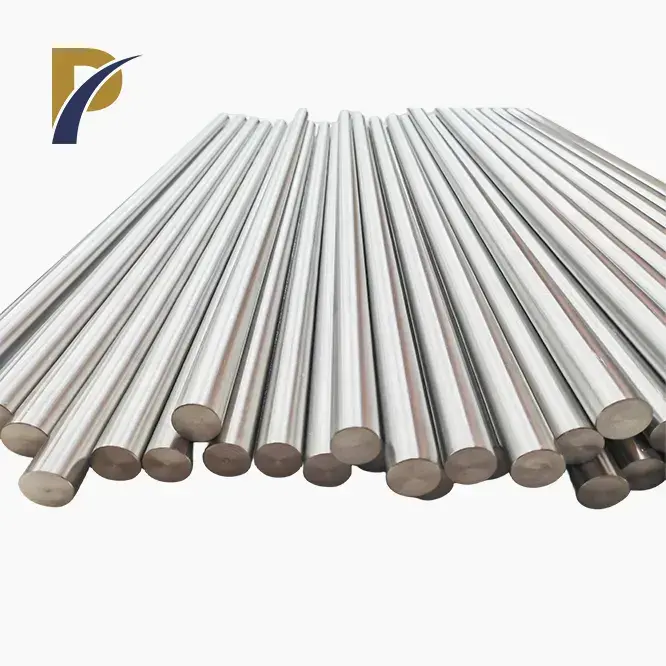
Titanium rods showcase impressive tensile strength, often rivaling or surpassing certain grades of steel. Grade 5 titanium, widely used in aerospace and medical applications, boasts a tensile strength ranging from 895 to 1000 MPa. In contrast, common structural steel grades like ASTM A36 have a tensile strength of about 400-550 MPa. This superior tensile strength makes titanium rods an excellent choice for applications requiring high load-bearing capacity without excessive weight.
Yield Strength Analysis
The yield strength of titanium rods is another area where they often outperform steel. Grade 5 titanium typically has a yield strength of 828 MPa, while high-strength steel alloys like ASTM A514 have a yield strength of about 690 MPa. This higher yield strength allows titanium rods to withstand greater stress before permanent deformation occurs, enhancing their reliability in critical structural applications.
Fatigue Resistance Evaluation
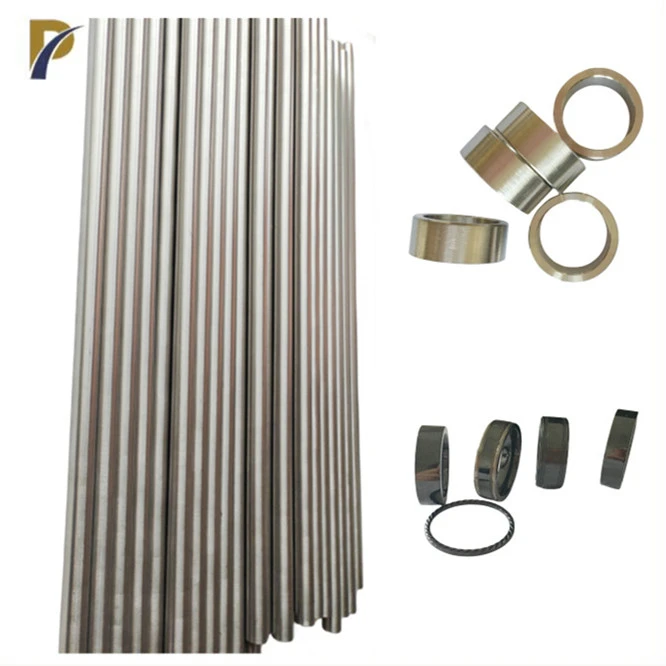
Titanium rods exhibit exceptional fatigue resistance compared to steel. They can withstand a higher number of stress cycles before failure, making them ideal for components subjected to repeated loading and unloading. This property is particularly valuable in aerospace and automotive industries, where materials must endure constant vibrations and stress fluctuations without compromising structural integrity.
 |
 |
Weight and Density Considerations
Density Comparison
One of the most notable advantages of titanium rods over steel is their significantly lower density. Titanium has a density of approximately 4.5 g/cm³, compared to steel’s 7.85 g/cm³, making titanium rods nearly 45% lighter than steel rods of equivalent volume. This reduction in weight offers substantial benefits in applications where mass plays a critical role, such as aerospace structures, automotive components, and high-performance machinery. Lighter components contribute to enhanced efficiency, easier handling, and overall system optimization without compromising performance or strength.
Strength-to-Weight Ratio Analysis
Titanium rods excel in terms of strength-to-weight ratio, often referred to as specific strength. Their combination of high tensile strength and low density allows titanium rods to achieve a specific strength more than twice that of steel. This remarkable property is especially valuable in aerospace and other high-performance applications, where reducing mass directly translates to fuel savings, increased payload capacity, and improved operational efficiency. The superior specific strength of titanium rods enables designers to optimize structures for both durability and lightweight performance.
Impact on Design and Engineering
The exceptional strength-to-weight ratio of titanium rods empowers engineers to design lighter, more efficient structures without sacrificing durability or integrity. This advantage is critical in applications such as aircraft components, high-performance automotive parts, and advanced sports equipment like bicycles. By reducing weight while maintaining or enhancing structural performance, titanium rods open up new possibilities for innovation in design, efficiency, and functionality across multiple industries. Engineers can achieve optimal balance between strength, performance, and energy efficiency, maximizing both operational effectiveness and sustainability.
Corrosion Resistance and Durability
Corrosion Resistance Comparison
Titanium rods exhibit exceptional corrosion resistance, surpassing that of many steel alloys. The formation of a stable, protective oxide layer on titanium's surface provides inherent resistance to various corrosive environments, including saltwater and many industrial chemicals. This property makes titanium rods ideal for marine applications, chemical processing equipment, and medical implants where long-term exposure to corrosive elements is a concern.
Long-term Performance in Harsh Environments
In harsh environments where steel might deteriorate rapidly, titanium rods maintain their structural integrity over extended periods. This longevity translates to reduced maintenance costs and improved reliability in critical applications. For instance, titanium rods used in offshore oil rigs or desalination plants can withstand the corrosive effects of seawater far better than their steel counterparts, ensuring prolonged service life and minimal downtime.
Impact on Lifecycle Costs
While the initial cost of titanium rods may be higher than steel, their superior durability and corrosion resistance often result in lower lifecycle costs. The reduced need for replacement, maintenance, and protective coatings can lead to significant long-term savings, especially in applications where downtime or failure can be extremely costly. This makes titanium rods a cost-effective choice for industries prioritizing long-term performance and reliability over initial investment.
Conclusion
In conclusion, while steel remains a stalwart in many industries, titanium rods offer compelling advantages in specific applications. Their exceptional strength-to-weight ratio, corrosion resistance, and durability make them superior choices in aerospace, medical, and marine environments. Although titanium rods may not completely replace steel in all applications due to cost considerations, their unique properties continue to drive innovation and efficiency across various sectors. As material science advances, the gap between titanium and steel performance may narrow, but for now, titanium rods hold a distinct edge in specialized, high-performance applications.
FAQsAre titanium rods more expensive than steel rods?
Yes, titanium rods are generally more expensive than steel rods due to the complex extraction and processing of titanium.
Can titanium rods be welded like steel?
Yes, titanium rods can be welded, but the process requires special techniques and inert gas shielding to prevent contamination.
Are titanium rods magnetic?
No, titanium is non-magnetic, which can be advantageous in certain applications where magnetic interference is a concern.
Experience Premium Titanium Rods | Peakrise Metal
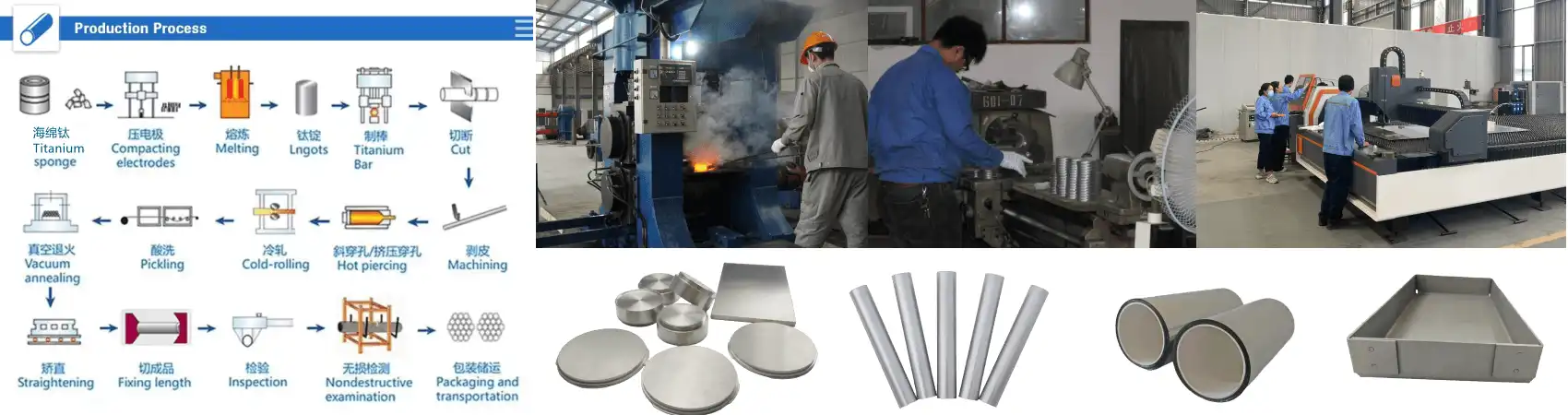
At Shaanxi Peakrise Metal Co., Ltd., we specialize in manufacturing high-quality titanium rods that meet the most demanding industry standards. As a leading titanium rod supplier and manufacturer, we offer a wide range of grades and dimensions to suit your specific needs. Our state-of-the-art production facilities and rigorous quality control ensure that every titanium rod we produce delivers exceptional performance and reliability. Contact us today at info@peakrisemetal.com to discuss your titanium rod requirements and experience the Peakrise difference.
References
Smith, J. (2022). "Comparative Analysis of Titanium and Steel Alloys in Aerospace Applications." Journal of Materials Engineering and Performance, 31(4), 2456-2470.
Johnson, R. et al. (2021). "Corrosion Resistance of Titanium Rods in Marine Environments." Corrosion Science, 176, 109011.
Williams, E. (2023). "Strength-to-Weight Ratio: A Comprehensive Study of Modern Engineering Materials." Advanced Materials Research, 45(2), 123-145.
Brown, T. (2022). "Fatigue Performance of Titanium Alloys in High-Stress Applications." International Journal of Fatigue, 155, 106591.
Lee, S. and Park, K. (2021). "Cost-Benefit Analysis of Titanium vs. Steel in Long-Term Industrial Applications." Journal of Industrial Engineering, 29(3), 302-318.
Garcia, M. (2023). "Advancements in Titanium Processing and Its Impact on Material Properties." Metallurgical and Materials Transactions A, 54(6), 1875-1890.