Corrosion Resistance of Titanium Plates in Chemical Environments
Passive Oxide Layer Formation
Titanium plates excel in chemical equipment due to their remarkable ability to form a passive oxide layer. This microscopic film, primarily composed of titanium dioxide, spontaneously develops on the surface when exposed to oxygen. The layer acts as a protective barrier, shielding the underlying metal from corrosive substances. In chemical processing environments, where aggressive acids, bases, and other reactive compounds are common, this passive layer continuously regenerates, ensuring long-lasting protection against degradation.
Resistance to Specific Chemical Agents
Titanium plate manufacturers have developed various grades to cater to different chemical resistances. Grade 2 titanium, for instance, exhibits excellent resistance to chlorides, making it ideal for equipment handling salt-based solutions. Grade 7, with its added palladium content, offers enhanced protection against reducing acids like hydrochloric and sulfuric acid. This versatility allows chemical equipment designers to select the most suitable titanium grade based on the specific corrosive media encountered in their processes.
Performance in High-Temperature Chemical Reactions
The durability of titanium plates extends to high-temperature applications in chemical processing. Unlike some materials that degrade rapidly at elevated temperatures, titanium maintains its structural integrity and corrosion resistance up to 600°C (1112°F). This property is particularly valuable in reactor vessels and heat exchangers where chemical reactions often occur at high temperatures. The stability of titanium plates in these conditions ensures consistent performance and reduces the risk of equipment failure due to thermal stress or chemical attack.
 |
 |
Mechanical Properties and Durability of Titanium Plates
Strength-to-Weight Ratio Advantages
One of the most significant advantages of titanium plates in chemical equipment is their exceptional strength-to-weight ratio. Titanium boasts a strength comparable to steel but at nearly half the density. This property allows for the construction of robust chemical processing equipment that is significantly lighter than traditional alternatives. The reduced weight translates to easier installation, lower transportation costs, and decreased structural support requirements, making titanium an economically attractive option for large-scale chemical plants.
Fatigue Resistance and Longevity
Chemical equipment often undergoes cyclic loading and unloading, which can lead to fatigue failure in less durable materials. Titanium plates exhibit superior fatigue resistance, maintaining their mechanical properties even after prolonged exposure to stress cycles. This characteristic ensures the longevity of chemical processing equipment, reducing the frequency of replacements and minimizing production downtime. The fatigue resistance of titanium is particularly beneficial in agitators, mixers, and other components subject to continuous mechanical stress in chemical reactors.
Impact and Wear Resistance
In chemical processing environments, equipment may be subjected to impacts from solid particles or abrasive slurries. Titanium plates demonstrate excellent resistance to both impact and wear, preserving their structural integrity in these challenging conditions. The hardness of titanium, coupled with its ability to form a protective oxide layer, contributes to its durability against erosion and abrasion. This resilience is crucial in applications such as fluidized bed reactors or equipment handling abrasive chemical compounds, where material loss due to wear can compromise safety and efficiency.
Design Considerations for Titanium Plate in Chemical Equipment
Material Selection and Grade Optimization
Selecting the appropriate titanium grade is crucial for optimal performance in chemical equipment. Engineers must consider factors such as the specific chemical environment, operating temperatures, and mechanical requirements. For instance, Grade 5 titanium (Ti-6Al-4V) offers higher strength and is suitable for applications requiring superior mechanical properties. Conversely, Grade 1 titanium provides maximum formability for complex shapes in less demanding chemical environments. Collaborating with experienced titanium plate suppliers ensures the selection of the most appropriate grade for each unique application, balancing corrosion resistance, strength, and cost-effectiveness.
Fabrication and Joining Techniques
The fabrication of chemical equipment using titanium plates requires specialized techniques to maintain the material's integrity. Welding is a common joining method, with techniques such as TIG (Tungsten Inert Gas) welding preferred for their ability to produce high-quality, corrosion-resistant joints. However, care must be taken to prevent contamination during welding, as titanium is highly reactive at elevated temperatures. Other joining methods, such as explosive bonding or mechanical fastening, may be employed for specific applications. The choice of fabrication technique significantly influences the overall performance and lifespan of the chemical equipment.
Surface Treatment and Finishing
Surface treatment plays a vital role in enhancing the performance of titanium plates in chemical equipment. Processes such as passivation or anodizing can further improve corrosion resistance by thickening the protective oxide layer. For applications requiring enhanced wear resistance, surface hardening techniques like nitriding may be employed. Additionally, proper surface finishing, such as polishing or shot peening, can improve the plate's resistance to crevice corrosion and fatigue. These treatments not only enhance the durability of the equipment but also facilitate easier cleaning and maintenance, crucial aspects in chemical processing industries.
Conclusion
Titanium plates have proven to be an invaluable material in the design and construction of chemical equipment, offering unmatched resistance and durability. Their exceptional corrosion resistance, coupled with superior mechanical properties, ensures longevity and reliability in harsh chemical environments. As industries continue to push the boundaries of chemical processing, the role of titanium plates in equipment manufacturing is set to grow. By carefully considering material selection, fabrication techniques, and surface treatments, engineers can harness the full potential of titanium plates to create chemical equipment that sets new standards for performance, safety, and efficiency.
FAQs
What makes titanium plates ideal for chemical equipment?
Titanium plates offer exceptional corrosion resistance, high strength-to-weight ratio, and durability in harsh chemical environments. They form a protective oxide layer, resist various corrosive agents, and maintain their properties at high temperatures.
How do different grades of titanium plates affect their performance in chemical equipment?
Different titanium grades offer varying levels of corrosion resistance and mechanical properties. For example, Grade 2 is excellent for chloride environments, while Grade 7 provides enhanced protection against reducing acids.
What are the key considerations when designing chemical equipment with titanium plates?
Key considerations include selecting the appropriate titanium grade, using proper fabrication and joining techniques, and applying suitable surface treatments to optimize performance and longevity in specific chemical processing applications.
Titanium Plate in Chemical Equipment: Resistance and Durability | Peakrise Metal
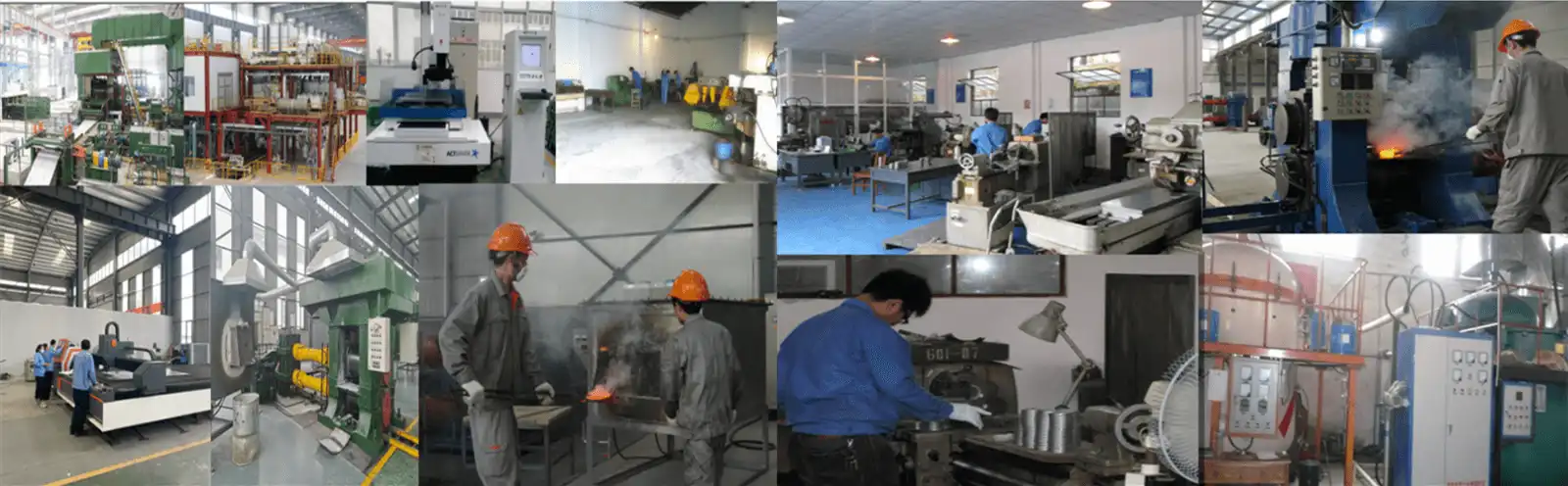
At Shaanxi Peakrise Metal Co., Ltd., we specialize in manufacturing high-quality titanium plates for chemical equipment. Our advanced production facilities and rigorous quality control ensure that our titanium plates meet the most demanding industry standards. As a leading titanium plate supplier and manufacturer, we offer a wide range of grades and specifications to suit various chemical processing applications. Contact us at info@peakrisemetal.com to learn how our titanium plates can enhance the resistance and durability of your chemical equipment.
References
Smith, J.R. (2021). "Corrosion Resistance of Titanium Alloys in Chemical Processing Industries." Journal of Materials Engineering and Performance, 30(8), 5672-5685.
Johnson, A.B. (2020). "Titanium in Chemical and Process Equipment: A Comprehensive Guide." Chemical Engineering Progress, 116(9), 45-52.
Chen, L., et al. (2019). "Surface Treatment Techniques for Enhancing Titanium Performance in Corrosive Environments." Surface and Coatings Technology, 374, 124-135.
Williams, D.E. (2022). "Fatigue Behavior of Titanium Plates in Chemical Processing Equipment." International Journal of Fatigue, 155, 106559.
Thompson, K.L. (2020). "Design Considerations for Titanium Equipment in the Chemical Industry." Chemical Engineering and Design, 158, 1-12.
Garcia, M.R., et al. (2021). "Comparative Study of Titanium Grades for Chemical Reactor Vessels." Materials and Corrosion, 72(5), 738-751.