Testing the chemical resistance of zirconium sheets involves several key steps to ensure their suitability for various industrial applications. Begin by preparing small samples of the zirconium sheet and exposing them to specific chemicals under controlled conditions. Monitor factors such as weight loss, surface changes, and mechanical property alterations over time. Utilize standardized testing methods like ASTM G31 for immersion corrosion testing or ASTM G48 for pitting corrosion resistance. Employ advanced analytical techniques such as scanning electron microscopy (SEM) and X-ray diffraction (XRD) to assess surface morphology and compositional changes. Finally, compare the results with established corrosion rate standards to determine the zirconium sheet's chemical resistance performance.
Understanding Zirconium's Chemical Resistance Properties
Zirconium's Unique Corrosion Resistance Mechanism
Zirconium possesses exceptional chemical resistance due to its ability to form a protective oxide layer spontaneously when exposed to oxidizing environments. This self-healing oxide film, primarily composed of zirconium dioxide (ZrO2), acts as a barrier against further corrosion. The stability of this passive layer in various aggressive media contributes significantly to zirconium's corrosion resistance across a wide range of chemicals and temperatures.
Factors Affecting Chemical Resistance of Zirconium Sheets
Several factors influence the chemical resistance of zirconium sheets. The purity and grade of the zirconium alloy play a crucial role, with higher purity generally offering better corrosion resistance. Environmental conditions such as temperature, pressure, and concentration of corrosive media also impact performance. Additionally, the surface finish of the zirconium sheet can affect its resistance, with smoother surfaces typically providing better protection against chemical attack.
Common Chemical Environments for Zirconium Applications
Zirconium sheets find applications in diverse chemical environments. They exhibit excellent resistance to mineral acids, organic acids, and alkaline solutions. Zirconium performs exceptionally well in chloride-containing environments, making it suitable for seawater applications. It also shows remarkable stability in oxidizing media such as nitric acid and chromic acid. However, it's important to note that zirconium may be susceptible to certain fluoride-containing solutions and strong reducing acids under specific conditions.
Preparation and Methodology for Chemical Resistance Testing
Sample Preparation Techniques
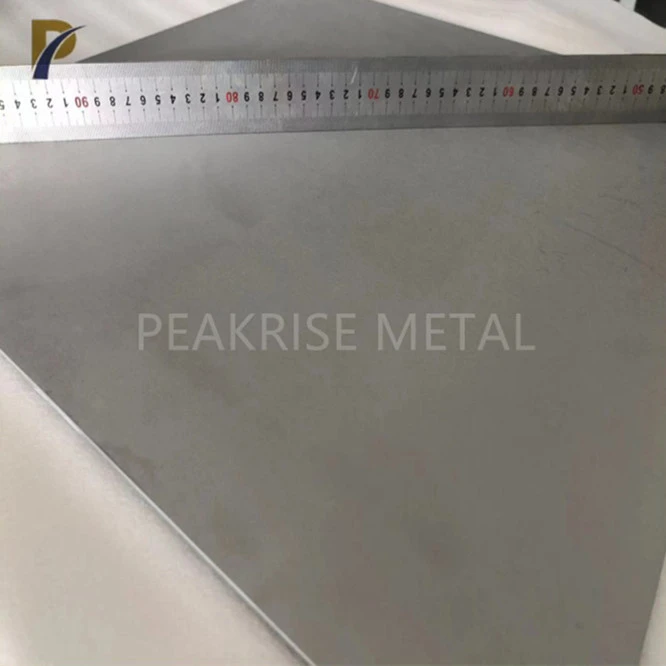
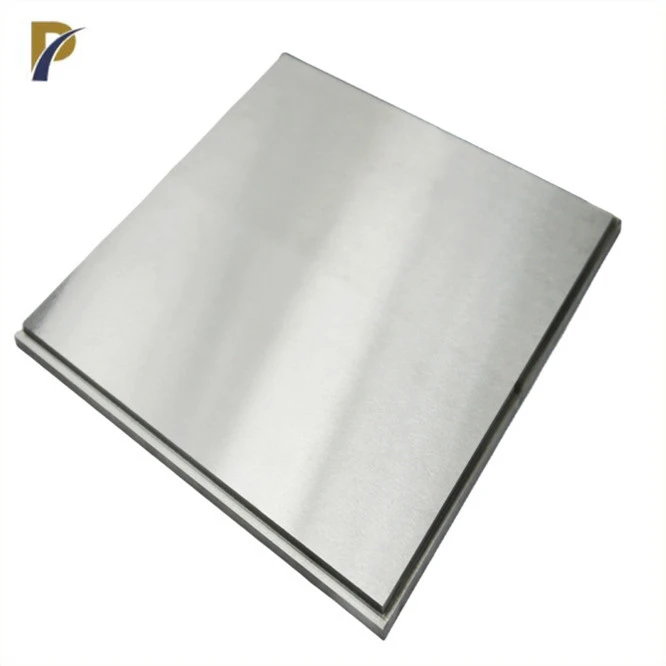
Proper sample preparation is crucial for accurate chemical resistance testing of zirconium sheets. Cut the sheets into standardized dimensions, typically 50mm x 25mm, ensuring clean edges. Degrease the samples using acetone or similar solvents to remove any contaminants. Measure and record the initial weight and dimensions of each sample precisely. For some tests, you may need to create artificial defects or welds to simulate real-world conditions. Always handle samples with care to avoid introducing unintended variables.
 |
 |
Test Environment Setup and Control
Create a controlled test environment that accurately represents the intended application conditions. Use chemically resistant containers to hold the test solutions, ensuring they're inert to both the zirconium and the test chemicals. Maintain consistent temperature throughout the test duration, using water baths or temperature-controlled chambers as necessary. For tests involving high-pressure environments, employ specialized autoclaves or pressure vessels. Monitor and record environmental parameters such as pH, dissolved oxygen, and conductivity regularly throughout the testing period.
Data Collection and Analysis Methods
Implement a systematic approach to data collection and analysis. Regularly inspect and document visual changes in the zirconium samples, including discoloration, pitting, or surface roughness. Measure weight loss at predetermined intervals, ensuring samples are properly cleaned and dried before weighing. Utilize advanced analytical techniques such as atomic absorption spectroscopy (AAS) to analyze the test solution for dissolved zirconium, providing insight into corrosion rates. Employ statistical methods to process the collected data, calculating average corrosion rates and standard deviations to ensure reliability of results.
Advanced Techniques for Evaluating Zirconium Sheet Chemical Resistance
Electrochemical Impedance Spectroscopy (EIS)
Electrochemical Impedance Spectroscopy offers a non-destructive method to evaluate the corrosion resistance of zirconium sheets. This technique applies a small amplitude sinusoidal potential to the sample and measures the resulting current response. By analyzing the impedance data across a range of frequencies, researchers can gain insights into the corrosion mechanisms, including the formation and stability of the protective oxide layer. EIS provides valuable information about the electrochemical behavior of the zirconium-electrolyte interface, helping to predict long-term corrosion performance.
X-ray Photoelectron Spectroscopy (XPS) Analysis
X-ray Photoelectron Spectroscopy is an advanced surface analysis technique that provides detailed information about the chemical composition and bonding states of the zirconium sheet surface. XPS can detect subtle changes in the oxide layer composition after exposure to corrosive environments. This method is particularly useful for understanding the nature of the passive film formed on zirconium sheets and how it evolves under different chemical conditions. XPS analysis can reveal the presence of contaminants or corrosion products that may not be visible through other testing methods.
Accelerated Corrosion Testing Protocols
Accelerated corrosion testing protocols aim to simulate long-term exposure in a shorter timeframe. These methods often involve cyclic exposure to aggressive environments or the use of elevated temperatures to accelerate corrosion processes. For zirconium sheets, techniques such as the Modified ASTM G48 Method E (for pitting corrosion) or ASTM G35 (for stress corrosion cracking) can be adapted. When developing accelerated tests, it's crucial to ensure that the acceleration factors do not alter the fundamental corrosion mechanisms, maintaining relevance to real-world applications. Always correlate accelerated test results with long-term field data when available.
Conclusion
Testing the chemical resistance of zirconium sheets is a critical process that ensures their suitability for demanding industrial applications. By employing a combination of standardized methods and advanced analytical techniques, manufacturers and end-users can accurately assess the performance of zirconium in various chemical environments. This comprehensive approach not only validates the material's corrosion resistance but also provides valuable insights for optimizing its use in specific applications. As industries continue to push the boundaries of material performance, thorough chemical resistance testing remains an essential tool in harnessing the full potential of zirconium sheets.
FAQs
What makes zirconium sheets resistant to chemical corrosion?
Zirconium forms a protective oxide layer that acts as a barrier against corrosive substances.
How long does a typical chemical resistance test for zirconium sheets take?
Test duration can vary from a few days to several months, depending on the specific requirements and conditions being simulated.
Can zirconium sheets withstand all types of chemicals?
While highly resistant to many chemicals, zirconium may be susceptible to certain fluoride-containing solutions and strong reducing acids under specific conditions.
How often should chemical resistance tests be performed on zirconium sheets?
It's recommended to conduct tests when sourcing new material, changing suppliers, or when the application environment changes significantly.
High-Quality Zirconium Sheets for Chemical Resistance Testing | Peakrise Metal
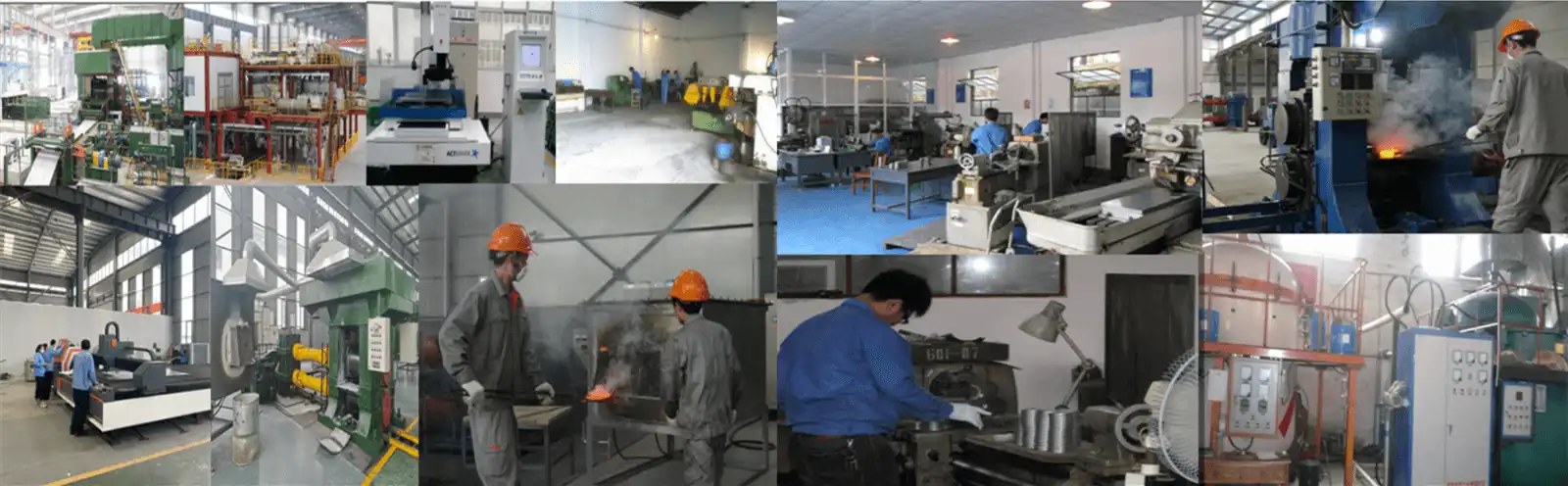
At Shaanxi Peakrise Metal Co., Ltd., we specialize in manufacturing premium zirconium sheets designed to meet the most stringent chemical resistance requirements. As a leading zirconium sheet supplier and manufacturer, we offer custom solutions tailored to your specific needs. Our state-of-the-art production facility and rigorous quality control ensure consistent, high-performance zirconium products. Whether you're in the aerospace, chemical processing, or nuclear industries, trust Peakrise Metal for reliable, corrosion-resistant zirconium sheets. Contact us at info@peakrisemetal.com to discuss your zirconium sheet requirements or to request samples for chemical resistance testing.
References
ASTM International. "ASTM G31-72: Standard Practice for Laboratory Immersion Corrosion Testing of Metals."
Schweitzer, P.A. "Fundamentals of Corrosion: Mechanisms, Causes, and Preventative Methods."
Yau, T.L. "Zirconium for Chemical Processing Applications - A Review."
Knittel, D.R. and Bronson, A. "Pitting Corrosion of Zirconium in Chloride Solutions."
ASM International. "ASM Handbook, Volume 13A: Corrosion: Fundamentals, Testing, and Protection."
Jones, D.A. "Principles and Prevention of Corrosion."