Waterjet Cutting: Precision Through Pressure
The Mechanics of Waterjet Cutting
Waterjet cutting harnesses the power of ultra-high-pressure water, often mixed with abrasive particles, to slice through titanium plates with remarkable precision. This method utilizes a narrow stream of water pressurized up to 60,000 PSI, which is directed through a tiny nozzle. The resulting jet possesses enough force to erode the titanium material, creating clean, smooth cuts without introducing heat-affected zones.
Advantages of Waterjet for Titanium Plates
One of the primary benefits of waterjet cutting for titanium plates is its ability to handle thick materials without compromising structural integrity. This cold-cutting process prevents thermal distortion, making it ideal for maintaining the unique properties of titanium alloys. Additionally, waterjet cutting produces minimal kerf width, allowing for intricate designs and efficient material usage, which is particularly valuable when working with expensive titanium stock.
Limitations and Considerations
While waterjet cutting excels in many aspects, it's not without limitations. The process can be slower compared to some other cutting methods, especially for thicker titanium plates. Moreover, the initial equipment cost for waterjet systems can be substantial, which may impact smaller-scale operations. Water consumption and abrasive material disposal also need to be considered in the overall operational planning.
 |
 |
Laser Cutting: Precision Through Light
The Science Behind Laser Cutting
Laser cutting of titanium plates utilizes a highly focused, high-powered laser beam to precisely melt, vaporize, or remove material along a designated path. The technology relies on concentrating light energy to achieve extremely accurate and clean cuts, even on intricate shapes. Adjustments in laser intensity, focus, and speed allow operators to tailor the process to different titanium grades and thicknesses. By controlling these parameters, manufacturers can maintain dimensional accuracy, minimize thermal distortion, and consistently produce complex components with tight tolerances.
Benefits of Laser Cutting Titanium
Laser cutting offers exceptional advantages for processing titanium plates, particularly when precision and intricate detailing are required. The method produces clean, narrow edges with minimal burr formation, reducing post-processing needs. It is highly effective for complex patterns and fine geometries, making it valuable in aerospace, medical, and high-tech industries. Additionally, laser cutting is a non-contact process, which limits mechanical stress on the material and prevents tool wear. The speed and efficiency of this technique also enhance production throughput, especially for thinner titanium sheets, boosting overall operational productivity.
Challenges and Limitations
While laser cutting provides remarkable precision, processing thicker titanium plates presents challenges. The heat-affected zone created by the laser can alter mechanical properties near the cut edges, requiring careful process control. Titanium’s reflective nature can complicate laser absorption, necessitating precise calibration of laser power and cutting speed. Moreover, high-power laser cutting systems capable of handling titanium involve significant initial investment, making cost-effectiveness a key consideration. Manufacturers must carefully balance productivity, material limitations, and financial factors when implementing laser cutting for titanium applications.
Comparative Analysis: Choosing the Right Method
Thickness Considerations
When deciding between waterjet and laser cutting for titanium plates, thickness plays a crucial role. Waterjet cutting generally has the upper hand for thicker plates, maintaining consistent quality regardless of depth. Laser cutting, while exceptionally precise for thin to medium-thickness titanium sheets, may struggle with very thick plates due to power limitations and heat dissipation issues.
Surface Finish and Edge Quality
Laser cutting typically produces a smoother edge finish on titanium plates compared to waterjet cutting. However, the heat-affected zone from laser cutting might require secondary finishing in some applications. Waterjet cutting, being a cold process, leaves no heat-affected zone but may result in a slightly rougher edge that might need additional processing depending on the application requirements.
Production Speed and Efficiency
For thin titanium plates, laser cutting often outpaces waterjet in terms of speed. However, as plate thickness increases, the efficiency gap narrows, with waterjet cutting maintaining consistent speed across various thicknesses. Manufacturers must weigh the trade-offs between cutting speed, setup time, and post-processing requirements when choosing between these methods for their titanium plate cutting needs.
Conclusion
Both waterjet and laser cutting offer unique advantages for processing titanium plates, each excelling in different scenarios. Waterjet cutting provides versatility and consistent quality across various thicknesses, making it ideal for heavy-duty applications. Laser cutting, on the other hand, offers unparalleled precision and speed for thinner plates, perfect for intricate designs. The choice between these methods ultimately depends on specific project requirements, material thickness, production volume, and desired finish quality. As technology advances, both techniques continue to evolve, promising even greater capabilities for shaping titanium plates in the future.
FAQs
Which method is more cost-effective for cutting titanium plates?
Cost-effectiveness depends on factors like plate thickness, production volume, and required precision. Laser cutting is often more economical for thin plates and high-volume production, while waterjet may be more cost-effective for thicker plates or smaller batches.
Can both methods cut all grades of titanium plates?
Generally, yes. However, some titanium alloys may require specific parameters or additional considerations, especially for laser cutting due to reflectivity and heat sensitivity.
Is there a significant difference in cut quality between waterjet and laser for titanium plates?
Laser cutting typically provides smoother edges for thin plates, while waterjet excels in maintaining consistent quality across various thicknesses without heat-affected zones.
High-Quality Titanium Plates for Industrial Applications | Peakrise Metal
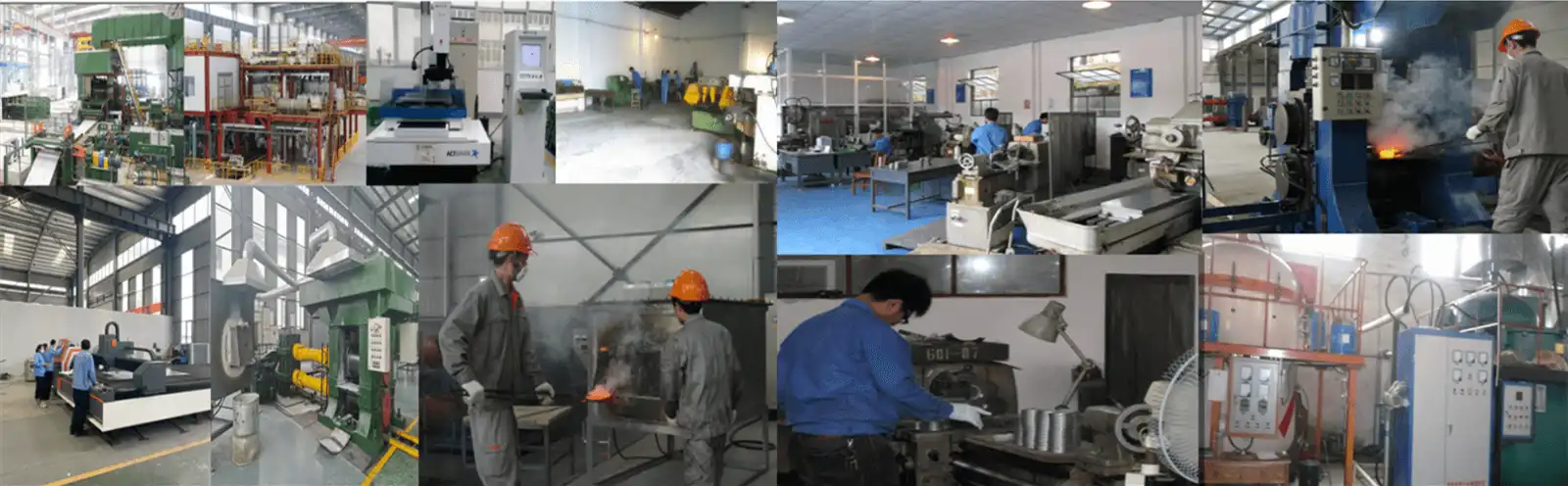
At Shaanxi Peakrise Metal Co., Ltd., we specialize in manufacturing high-performance titanium plates designed for demanding industrial environments. Our state-of-the-art production facilities and skilled engineering team ensure superior product quality, consistency, and precision across a wide range of titanium grades and thicknesses. As a trusted titanium plate manufacturer and supplier, we provide customized specifications and surface finishes to meet the diverse requirements of aerospace, chemical, marine, and medical industries. Experience exceptional strength, corrosion resistance, and reliability with our titanium plate products. Contact us at info@peakrisemetal.com to discuss your specific requirements and discover how our expertise can enhance your projects.
References
Johnson, A. (2022). Advanced Titanium Plate Cutting Techniques: A Comparative Study.
Smith, B. et al. (2021). Waterjet Technology in Aerospace Manufacturing: Titanium Applications.
Lee, C. (2023). Laser Cutting of Titanium Alloys: Challenges and Innovations.
Thompson, D. (2022). Material Processing in the Medical Industry: Titanium Plate Fabrication Methods.
Garcia, R. (2021). Energy Efficiency in Metal Cutting: Waterjet vs Laser for Titanium Plates.
Wilson, M. (2023). Quality Control in Titanium Plate Cutting: A Comparative Analysis of Modern Techniques.