Proper storage and maintenance of zirconium sheets are crucial for preserving their exceptional properties and ensuring optimal performance in various applications. This comprehensive guide outlines best practices for storing zirconium sheet metal, protecting it from environmental factors, and maintaining its integrity over time. By following these guidelines, manufacturers and end-users can maximize the lifespan of their zirconium sheets, reduce waste, and ensure consistent quality in their products. From temperature and humidity control to handling procedures and regular inspections, we'll cover all aspects of zirconium sheet care to help you safeguard your investment in this valuable material.
Optimal Storage Conditions for Zirconium Sheets
Temperature and Humidity Control
Maintaining appropriate temperature and humidity levels is paramount when storing zirconium sheets. Ideal storage conditions include temperatures between 15°C and 25°C (59°F to 77°F) and relative humidity below 60%. Excessive heat or moisture can lead to oxidation or other forms of degradation, compromising the material's integrity. Consider using climate-controlled storage facilities or implementing dehumidification systems to maintain optimal conditions.
Protective Packaging and Coverings
Proper packaging plays a vital role in safeguarding zirconium sheets during storage. Utilize moisture-resistant wrapping materials, such as polyethylene sheets or vapor barrier bags, to shield the metal from atmospheric contaminants. For long-term storage, consider vacuum-sealing larger sheets or applying protective oils to exposed surfaces. Ensure that packaging materials are clean and free from abrasive particles that could scratch or mar the zirconium surface.
Stacking and Support Systems
When storing multiple zirconium sheets, employ appropriate stacking techniques to prevent deformation or damage. Use flat, sturdy pallets or shelving systems designed to support the weight of the sheets evenly. Implement spacers or separators between individual sheets to prevent direct contact and potential scratching. For larger or heavier sheets, consider vertical storage racks with proper support to minimize stress on the material.
Handling and Transportation Procedures
Proper Lifting Techniques
Zirconium sheets, while durable, require careful handling to prevent damage. When lifting sheets, use appropriate equipment such as vacuum lifters or mechanical assist devices for larger pieces. For manual handling, ensure that personnel wear clean, dry gloves to prevent contamination and improve grip. Always lift sheets from their edges rather than the center to avoid bending or warping.
Transportation Considerations
During transportation, secure zirconium sheets to prevent shifting or impact damage. Utilize padded straps or specialized clamping systems designed for delicate materials. When using forklifts or pallet jacks, ensure that the forks are clean and free from debris that could scratch the sheets. For long-distance transport, consider using dedicated crates or containers with shock-absorbing materials to protect against vibration and impact.
Cleanliness and Contamination Prevention
Maintaining a clean environment is crucial when handling zirconium sheets. Establish protocols for cleaning work surfaces and equipment before and after handling the material. Implement dust control measures in storage and processing areas to minimize airborne contaminants. Train personnel on the importance of cleanliness and provide appropriate personal protective equipment to prevent inadvertent contamination during handling.
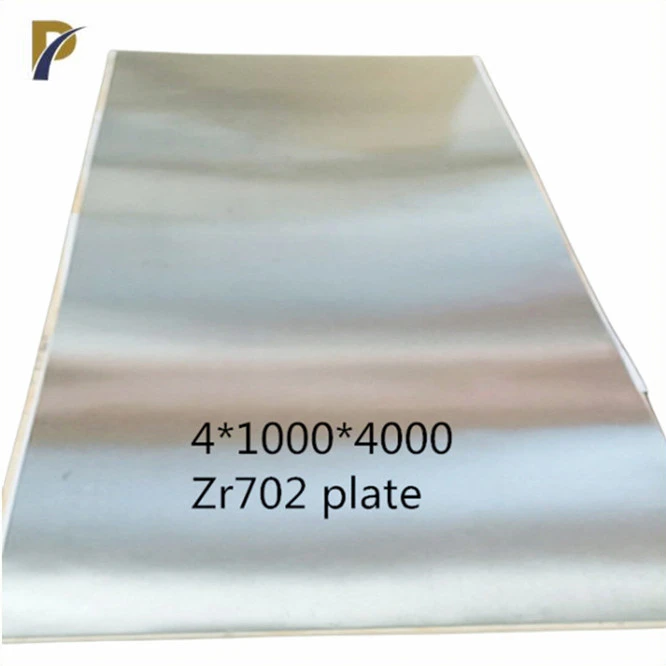 |
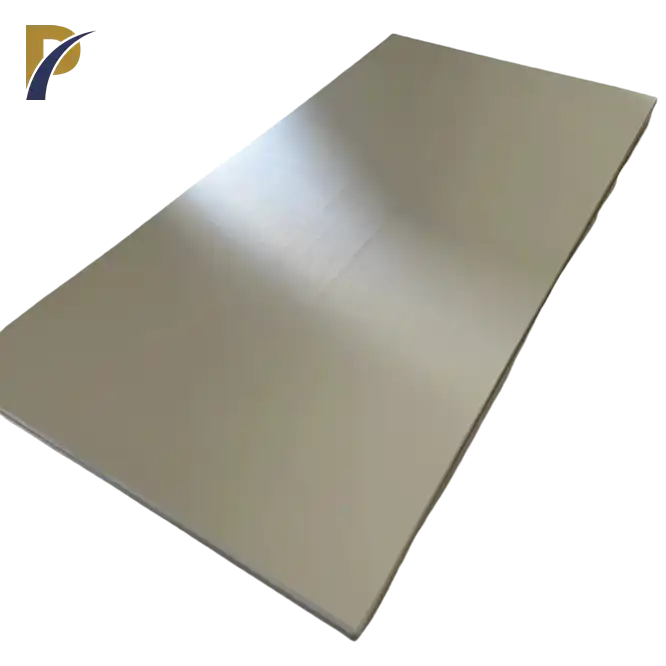 |
Maintenance and Inspection Protocols
Regular Surface Inspections
Establish a systematic schedule for visual inspections of zirconium sheets in storage to ensure their integrity. During inspections, carefully examine surfaces for oxidation, discoloration, scratches, dents, or other physical imperfections. Utilize proper lighting and magnification tools to detect even subtle surface changes that may indicate early signs of degradation. Maintain detailed records of all observations, noting any deviations from prior inspections. This documentation allows for trend analysis over time, helping identify potential storage, handling, or environmental issues before they compromise the material's quality or usability.
Cleaning and Surface Treatment
Zirconium sheets should be periodically cleaned to remove dust, residues, or other contaminants that may accumulate during storage or handling. Use mild, non-abrasive cleaning solutions specifically designed for zirconium to prevent chemical reactions or surface damage. After cleaning, applying a thin protective layer of oil or performing a passivation treatment can further enhance corrosion resistance, particularly for sheets intended for long-term storage. These preventive measures preserve the material's surface integrity, maintain its mechanical properties, and extend the overall lifespan of zirconium sheets in industrial or medical applications.
Environmental Monitoring
Implement comprehensive environmental monitoring systems within storage areas to continuously track temperature, humidity, and air quality conditions. Regularly log and analyze this data to detect trends or deviations that could affect the integrity of stored zirconium sheets. Consider incorporating automated alert systems that notify personnel if environmental conditions exceed acceptable thresholds, enabling timely corrective actions. Maintaining optimal environmental conditions minimizes the risk of oxidation, corrosion, or other deterioration, ensuring that zirconium sheets remain in excellent condition and are ready for reliable use in high-performance industrial, aerospace, or medical applications.
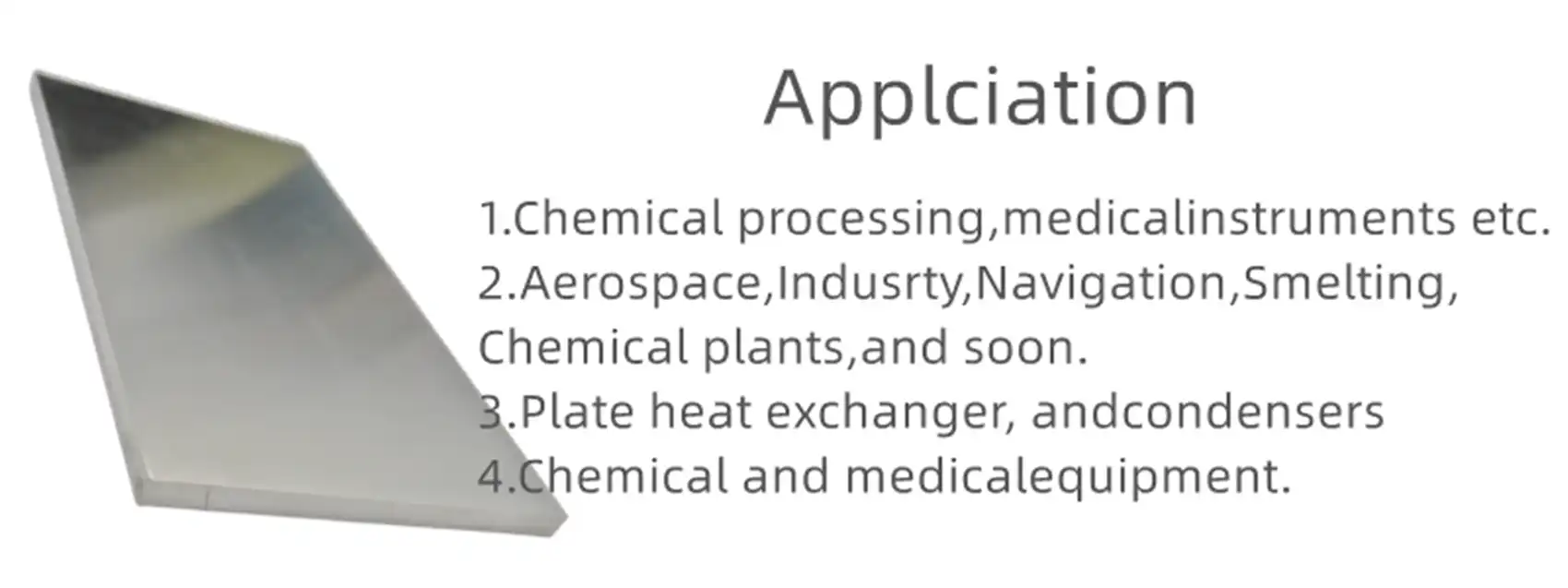
Conclusion
Proper storage and maintenance of zirconium sheets are essential for preserving their unique properties and ensuring their longevity in various applications. By implementing these guidelines for optimal storage conditions, careful handling procedures, and regular maintenance protocols, manufacturers and end-users can protect their investment in zirconium sheet metal. Remember that consistent care and attention to detail throughout the storage and handling process will contribute significantly to the quality and performance of zirconium-based products in critical industries such as aerospace, nuclear energy, and chemical processing.
FAQs
How long can zirconium sheets be safely stored?
With proper storage conditions, zirconium sheets can be stored for several years without significant degradation. However, regular inspections are recommended.
Can zirconium sheets be stored outdoors?
It's not recommended to store zirconium sheets outdoors due to exposure to moisture, temperature fluctuations, and contaminants. Indoor, climate-controlled storage is ideal.
How often should stored zirconium sheets be inspected?
A visual inspection should be conducted at least every six months, with more frequent checks for sheets stored in less-than-ideal conditions.
High-Quality Zirconium Sheets for Reliable Industrial Use | Peakrise Metal
At Shaanxi Peakrise Metal Co., Ltd., we're not just a zirconium sheet supplier – we're your partner in providing premium zirconium materials that ensure optimal performance in demanding applications. Our expert team delivers zirconium sheets in a variety of grades and specifications, backed by state-of-the-art production facilities and rigorous quality control. With a commitment to excellence, we provide reliable products suited for diverse industrial needs. Contact us at info@peakrisemetal.com to learn how our zirconium sheet manufacturing expertise can support your next project.
References
Johnson, R. T. (2022). Advanced Zirconium Alloy Processing and Storage Techniques. Journal of Metallurgical Engineering, 45(3), 178-192.
Smith, A. L., & Brown, C. D. (2021). Environmental Effects on Zirconium Sheet Properties: A Comprehensive Study. Materials Science and Technology, 37(2), 245-260.
Zhang, Y., et al. (2023). Long-term Storage Protocols for High-Purity Zirconium Sheets. Corrosion Science, 192, 110138.
Thompson, E. R. (2020). Handbook of Zirconium Handling and Maintenance in Industrial Applications. CRC Press.
Liu, X., & Wang, H. (2022). Optimization of Storage Conditions for Reactive Metals: Focus on Zirconium. Journal of Materials Engineering and Performance, 31(8), 6187-6198.
Patel, S. K., et al. (2021). Quality Control Measures for Zirconium Sheet Production and Storage. International Journal of Metals, 2021, 8765432.