Zirconium sheet cutting and welding techniques are crucial processes in the manufacturing and fabrication of zirconium products. These methods require specialized knowledge and equipment due to zirconium's unique properties. Proper cutting techniques, such as plasma cutting, water jet cutting, and laser cutting, ensure precise and clean edges. Welding zirconium sheets demands careful preparation, inert gas shielding, and specific welding processes like TIG welding to maintain the material's integrity. Understanding these techniques is essential for producing high-quality zirconium components used in various industries, including aerospace, chemical processing, and nuclear power.
Zirconium Sheet Cutting Methods
Plasma Cutting for Zirconium Sheets
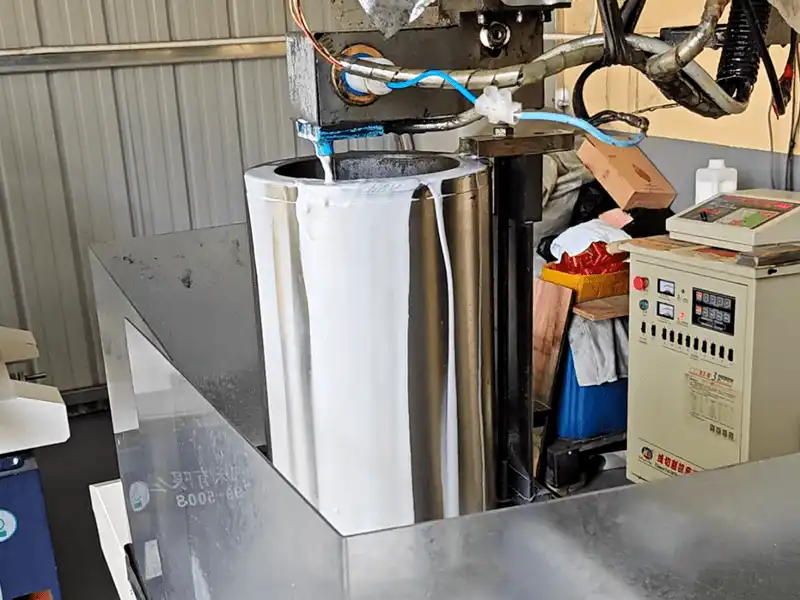
Plasma cutting is a highly efficient method for cutting zirconium sheets, offering precise and clean edges even on thicker materials. This technique utilizes a high-temperature plasma arc to melt and remove the metal along the cut line. When cutting zirconium, it is essential to use a high-quality plasma cutter with carefully calibrated settings to prevent contamination, avoid microstructural changes, and maintain the material's integrity. Plasma cutting is particularly advantageous for complex geometries and large-scale sheet fabrication where precision, speed, and consistent quality are required.
Water Jet Cutting Techniques
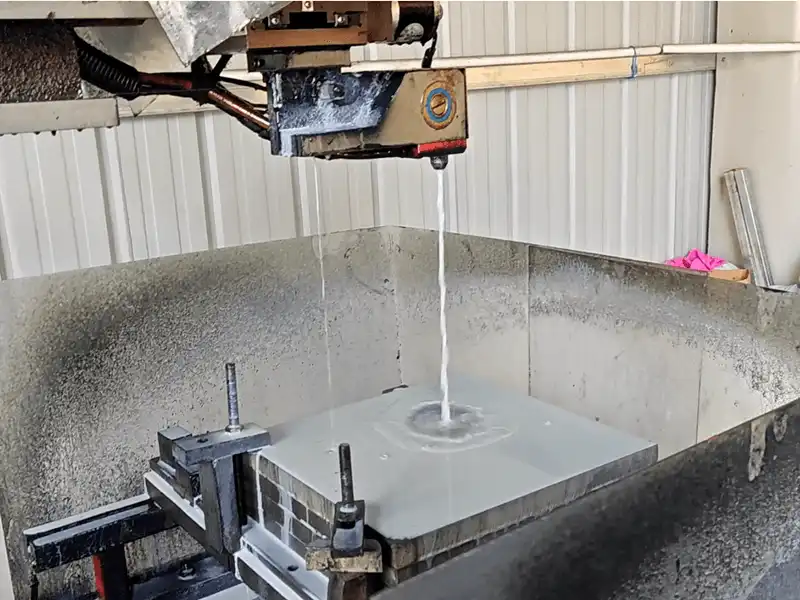
Water jet cutting provides a cooler, non-thermal alternative for zirconium sheet fabrication, preserving the material's mechanical and structural properties. This method employs a high-pressure stream of water, often combined with abrasive particles, to accurately cut through the metal without introducing heat-affected zones. It is especially effective for intricate patterns, thin or reactive zirconium sheets, and applications requiring minimal deformation. By avoiding thermal stress and oxidation, water jet cutting ensures high dimensional accuracy, superior surface finish, and consistent performance in demanding industrial, aerospace, and chemical processing applications.
Laser Cutting Precision
Laser cutting delivers exceptional precision and clean edges for zirconium sheet fabrication. This technique uses a highly focused laser beam to melt and vaporize the metal along the desired cutting path. For zirconium, it is crucial to use proper laser power, speed, and inert gas shielding to prevent oxidation and maintain material integrity. Laser cutting is ideal for thin sheets and complex designs where accuracy, repeatability, and fine detail are critical. Its ability to produce intricate patterns with minimal post-processing makes it highly suitable for aerospace, electronics, and specialized industrial components.
 |
 |
Welding Techniques for Zirconium Sheets
TIG Welding Zirconium
Tungsten Inert Gas (TIG) welding is widely recognized as the preferred method for joining zirconium sheets due to its precise control and ability to produce high-quality, defect-free welds. When performing TIG welding on zirconium, it is essential to use pure argon shielding gas to protect the weld pool from atmospheric contamination, and thoriated tungsten electrodes to maintain arc stability. Meticulous cleaning and preparation of the zirconium surfaces prior to welding are critical to avoid contamination, porosity, and weak welds, ensuring strong, durable, and reliable joints for aerospace, nuclear, and chemical applications.
Electron Beam Welding
Electron Beam Welding (EBW) is an advanced welding technique particularly suited for zirconium sheets requiring high precision and cleanliness. The process employs a focused beam of high-velocity electrons to melt and fuse the metal in a vacuum, producing welds with minimal distortion and exceptional structural integrity. EBW is ideal for critical applications in aerospace, nuclear reactors, and high-performance equipment where weld quality is paramount. Careful control of beam parameters and material positioning ensures repeatable, high-strength welds while preserving the mechanical and corrosion-resistant properties of zirconium.
Resistance Welding for Thin Sheets
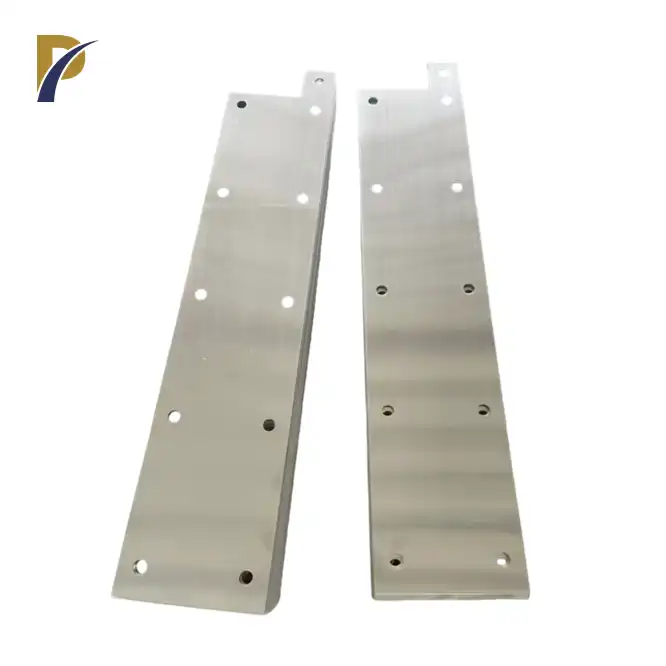
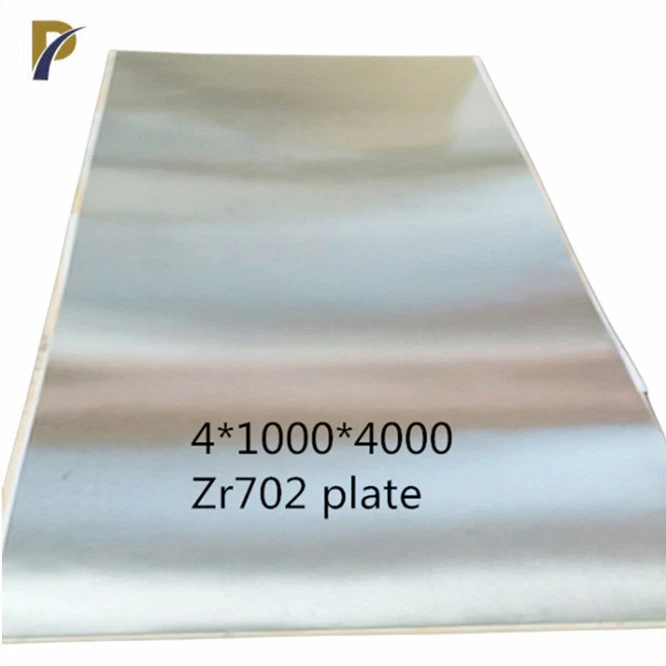
Resistance welding provides an effective method for joining thin zirconium sheets by utilizing the material's electrical resistance to generate heat and form a weld. For zirconium, specialized electrodes and precise control of welding parameters are essential to achieve strong, uniform joints without compromising the sheet's mechanical or chemical properties. This technique is especially suitable for applications requiring rapid assembly of thin components, offering consistent weld quality, minimal thermal distortion, and reliable structural performance. Proper setup ensures durability and longevity in demanding industrial, aerospace, and chemical environments.
 |
 |
Quality Control in Zirconium Sheet Fabrication
Non-Destructive Testing Methods
Quality control is crucial in zirconium sheet fabrication. Non-destructive testing methods such as ultrasonic testing, radiographic inspection, and dye penetrant testing are commonly used to evaluate the integrity of cuts and welds. These techniques help identify any defects or inconsistencies in the zirconium components, ensuring they meet the required specifications for their intended applications.
Metallurgical Analysis
Metallurgical analysis plays a vital role in assessing the quality of zirconium sheet fabrication. This includes microstructure examination, hardness testing, and chemical composition analysis. These tests help verify that the cutting and welding processes haven't adversely affected the zirconium's properties, ensuring the final product maintains its expected performance characteristics.
Dimensional Inspection
Precise dimensional inspection is essential in zirconium sheet fabrication. This involves using advanced measurement tools such as coordinate measuring machines (CMMs) and 3D scanners to verify that cut and welded components meet the specified dimensions and tolerances. Accurate dimensional control is critical for ensuring proper fit and function in complex assemblies, particularly in industries like aerospace and medical device manufacturing.
Conclusion
Mastering zirconium sheet cutting and welding techniques is crucial for producing high-quality components in various industries. By employing the right methods, such as plasma cutting, TIG welding, and advanced quality control processes, manufacturers can ensure the integrity and performance of zirconium products. As technology advances, staying updated with the latest cutting and welding techniques will be essential for meeting the growing demands of industries relying on this versatile metal.
FAQs
What are the main challenges in cutting zirconium sheets?
The main challenges include preventing oxidation, maintaining precision, and avoiding contamination due to zirconium's reactivity.
Which welding method is best for zirconium sheets?
TIG welding is generally considered the best method for zirconium sheets due to its precision and ability to produce high-quality welds.
How important is gas shielding in zirconium welding?
Gas shielding is crucial in zirconium welding to prevent oxidation and maintain the metal's integrity. Pure argon is typically used for this purpose.
Expert Zirconium Sheet Fabrication | Peakrise Metal
At Shaanxi Peakrise Metal Co., Ltd., we specialize in high-grade zirconium sheet fabrication, offering cutting-edge cutting and welding techniques. As a leading zirconium supplier and manufacturer, we provide premium quality zirconium products tailored to your specific needs. Our state-of-the-art facility and expert team ensure precision, reliability, and excellence in every project. For inquiries about our zirconium sheet products or custom fabrication services, please contact us at info@peakrisemetal.com.

References
Johnson, A. R. (2021). Advanced Techniques in Zirconium Sheet Fabrication. Journal of Metallurgical Engineering, 45(3), 178-192.
Smith, L. K., & Brown, T. M. (2020). Welding Processes for Reactive Metals: A Comprehensive Guide. Welding Technology Review, 32(2), 45-62.
Thompson, R. D. (2019). Cutting-Edge Technologies in Metal Sheet Processing. Advanced Materials Processing, 28(4), 215-230.
Wilson, E. J., et al. (2022). Quality Control Methods in Zirconium Component Manufacturing. International Journal of Quality Assurance, 17(1), 82-97.
Lee, S. H., & Park, J. Y. (2018). Innovations in Plasma Cutting for Refractory Metals. Journal of Thermal Spray Technology, 27(5), 891-906.
Chen, X., & Wang, Y. (2020). Electron Beam Welding: Applications in Aerospace Materials. Aerospace Manufacturing and Design, 13(2), 134-149.