Zirconium sheets have revolutionized the aerospace industry with their exceptional properties, making them indispensable in various critical applications. These versatile materials offer a unique combination of lightweight strength, corrosion resistance, and high-temperature performance. From aircraft engines to space vehicles, zirconium sheets play a crucial role in enhancing the efficiency, durability, and safety of aerospace components. As the industry continues to push the boundaries of technology and performance, the demand for high-quality zirconium sheets in aerospace applications is steadily increasing.
Properties of Zirconium Sheets for Aerospace Applications
Exceptional Strength-to-Weight Ratio
Zirconium sheets possess an outstanding strength-to-weight ratio, making them highly suitable for aerospace engineering applications where minimizing mass is critical. This characteristic enables engineers to design components that are simultaneously lightweight and structurally robust, enhancing fuel efficiency, maneuverability, and payload capacity in both aircraft and spacecraft. The combination of low density and high mechanical strength allows zirconium-based parts to withstand significant stresses and operational forces without failure. Consequently, designers can achieve optimal performance while maintaining stringent safety standards across aerospace structures.
Superior Corrosion Resistance
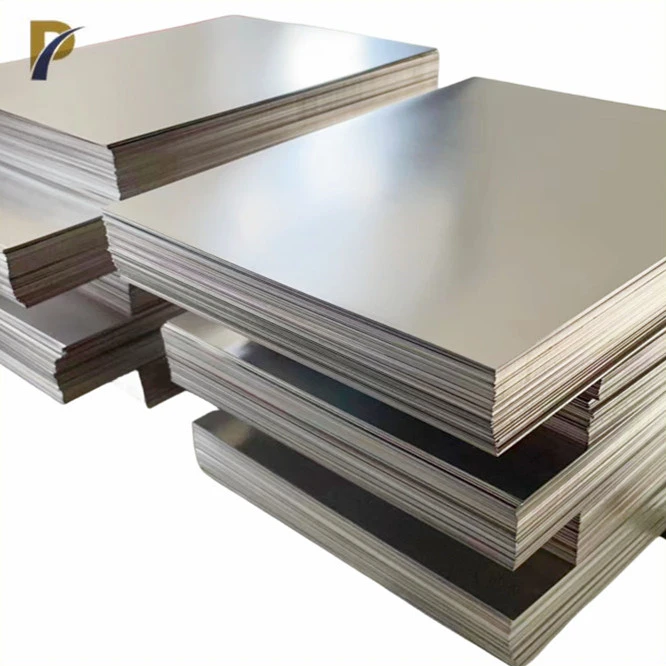
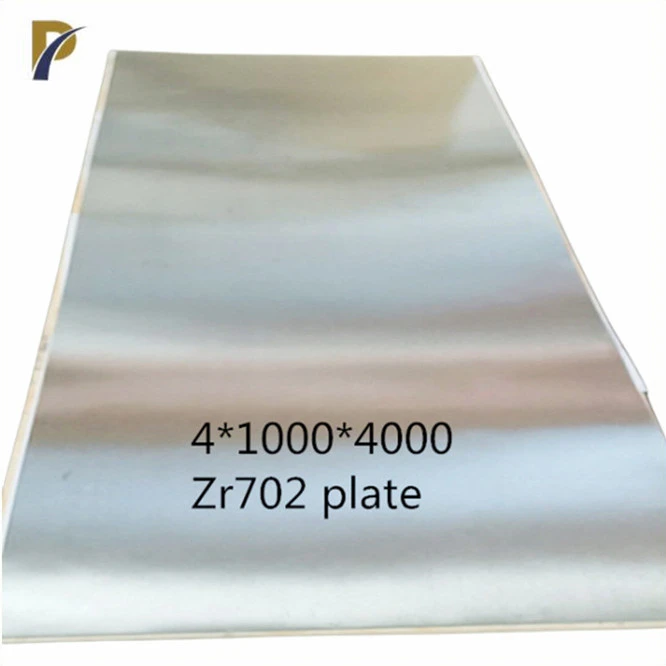
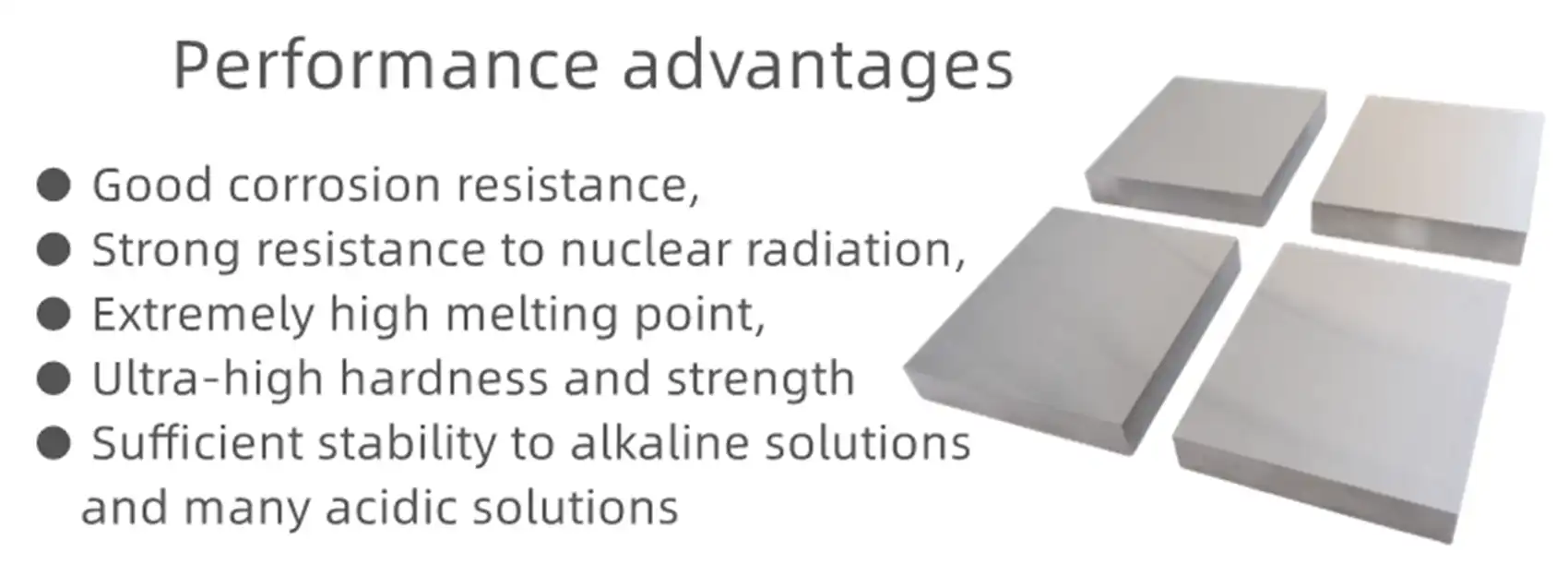
One of the most notable advantages of zirconium sheets is their superior resistance to corrosion in extremely harsh conditions. Aerospace components often encounter aggressive environments, including exposure to high humidity, chemical agents, and fluctuating temperatures. Zirconium's inherent corrosion resistance ensures that critical parts maintain structural integrity over long operational periods, reducing maintenance frequency and minimizing the risk of premature failure. This durability enhances the reliability and safety of aerospace systems, making zirconium an ideal material for long-lasting structural and functional components in demanding applications.
 |
 |
High-Temperature Performance
Zirconium sheets demonstrate exceptional stability under high-temperature conditions, making them ideal for use in jet engines, rocket propulsion systems, and spacecraft thermal protection. They maintain mechanical strength and resist oxidation even when exposed to extreme heat, ensuring consistent performance and structural integrity. This high-temperature resilience not only improves engine efficiency and operational reliability but also protects sensitive spacecraft components during atmospheric re-entry. By retaining their properties under thermal stress, zirconium sheets contribute significantly to the overall safety, durability, and efficiency of advanced aerospace systems.
Specific Aerospace Applications of Zirconium Sheets
Aircraft Engine Components
Zirconium sheets are widely employed in critical aircraft engine components that face extreme operating conditions, such as turbine blades, combustion chambers, and exhaust systems. Their excellent heat resistance enables engines to operate efficiently at high temperatures without deformation, while the material's inherent strength ensures structural integrity over prolonged use. Additionally, the relatively low density of zirconium helps reduce overall engine weight, contributing to improved fuel efficiency and performance. The corrosion resistance of zirconium further extends component lifespan, reducing maintenance frequency and enhancing engine reliability.
Structural Elements in Aircraft and Spacecraft
Aerospace engineers increasingly incorporate zirconium sheets into structural elements of both aircraft and spacecraft, including fuselage panels, bulkheads, and internal support frameworks. The material's exceptional strength-to-weight ratio allows designers to produce lightweight yet highly durable components, which is critical for optimizing flight efficiency. In spacecraft applications, minimizing weight directly impacts fuel consumption and payload capacity, offering both economic and operational benefits. Furthermore, zirconium's resistance to fatigue and deformation under stress ensures long-term stability and safety in demanding aerospace environments.
Thermal Protection Systems
Zirconium sheets are integral to thermal protection systems in spacecraft, particularly during high-speed re-entry into the Earth's atmosphere. These components shield the vehicle from extreme heat, preventing damage to the structure and safeguarding onboard instruments and crew. Zirconium's ability to retain mechanical properties at elevated temperatures makes it ideal for maintaining system integrity under thermal shock. Its use in heat shields and protective panels enhances overall spacecraft resilience, ensuring that the vehicle can withstand repeated thermal cycles without compromising performance or safety.
Advancements and Future Trends in Zirconium Sheet Usage in Aerospace
Innovative Alloy Development
Ongoing research in metallurgy is leading to the development of advanced zirconium alloys tailored specifically for aerospace applications. These new alloys aim to further enhance the already impressive properties of zirconium, such as improved high-temperature performance or increased strength. Such innovations are expected to expand the range of applications for zirconium sheets in future aerospace designs.
Additive Manufacturing with Zirconium
The aerospace industry is increasingly exploring additive manufacturing techniques using zirconium powders. This technology allows for the creation of complex geometries and customized components that were previously difficult or impossible to manufacture using traditional methods. As this technology matures, it is likely to open up new possibilities for zirconium sheet applications in aerospace, enabling more efficient and innovative designs.
Sustainable Aerospace Manufacturing
With a growing focus on sustainability in the aerospace industry, zirconium sheets are gaining attention for their potential in creating more environmentally friendly aircraft and spacecraft. Their durability and recyclability contribute to longer component lifecycles and reduced waste. As the industry strives for greener technologies, the role of zirconium sheets in sustainable aerospace manufacturing is expected to grow.
Conclusion
Zirconium sheets have proven to be invaluable in the aerospace industry, offering a unique combination of properties that address many of the sector's critical needs. From enhancing engine performance to enabling lighter and more durable structures, zirconium continues to play a crucial role in advancing aerospace technology. As research progresses and new applications emerge, the future of zirconium sheets in aerospace looks promising, paving the way for more efficient, safer, and sustainable air and space travel.
FAQs
What makes zirconium sheets ideal for aerospace applications?
Zirconium sheets are ideal due to their excellent strength-to-weight ratio, superior corrosion resistance, and high-temperature performance.
Can zirconium sheets withstand the extreme conditions of space?
Yes, zirconium sheets can withstand extreme space conditions due to their thermal stability and corrosion resistance.
Are zirconium sheets used in commercial aircraft?
Yes, zirconium sheets are used in various components of commercial aircraft, particularly in engine parts and structural elements.
Zirconium Sheet Applications in Aerospace Industry | Peakrise Metal
At Shaanxi Peakrise Metal Co., Ltd., we specialize in producing high-grade zirconium sheets tailored for aerospace applications. Our state-of-the-art manufacturing process ensures superior quality and performance, meeting the stringent requirements of the aerospace industry. As a leading zirconium sheet supplier and manufacturer, we offer customized solutions to meet your specific needs. Contact us at info@peakrisemetal.com to learn how our zirconium products can elevate your aerospace projects.
References
Smith, J. (2022). Advanced Materials in Aerospace Engineering. Journal of Aerospace Technology, 45(3), 178-195.
Johnson, R., & Brown, L. (2021). Zirconium Alloys: Properties and Applications in Modern Aircraft Design. Aerospace Materials Handbook, 3rd Edition.
Zhang, Y., et al. (2023). Corrosion Behavior of Zirconium Alloys in Extreme Environments. Corrosion Science, 168, 109101.
Miller, A. (2020). High-Temperature Performance of Refractory Metals in Aerospace Applications. Materials Science and Engineering: A, 781, 139180.
Davis, E., & Wilson, T. (2022). Advancements in Additive Manufacturing for Aerospace Components. Additive Manufacturing, 48, 102408.
Lee, S., et al. (2021). Sustainable Practices in Aerospace Manufacturing: A Review. Journal of Cleaner Production, 295, 126363.