Molybdenum alloy plates exhibit exceptional mechanical properties that make them indispensable in various high-performance applications. These plates boast remarkable strength, with tensile strengths ranging from 600 to 800 MPa, depending on the specific alloy composition. Their high melting point of 2,623°C allows them to maintain structural integrity at extreme temperatures. Molybdenum alloy plates also demonstrate excellent resistance to creep, fatigue, and wear, making them ideal for use in aerospace, nuclear energy, and electronics industries. Their low thermal expansion coefficient ensures dimensional stability under thermal stress, while their superior corrosion resistance enhances longevity in harsh environments.
Strength and Durability of Molybdenum Alloy Plates
Tensile Strength and Yield Strength
Molybdenum alloy plates are renowned for their impressive tensile strength, typically ranging from 600 to 800 MPa. This high strength-to-weight ratio makes them ideal for applications requiring robust materials without excessive weight. The yield strength of these plates is equally impressive, often exceeding 500 MPa, which allows them to resist permanent deformation under significant loads.
Hardness and Wear Resistance
The hardness of molybdenum alloy plates contributes significantly to their wear resistance. With Vickers hardness values often exceeding 200 HV, these plates can withstand abrasive environments and maintain their structural integrity over extended periods. This property is particularly valuable in applications such as cutting tools and high-temperature furnace components.
Impact Toughness and Fracture Resistance
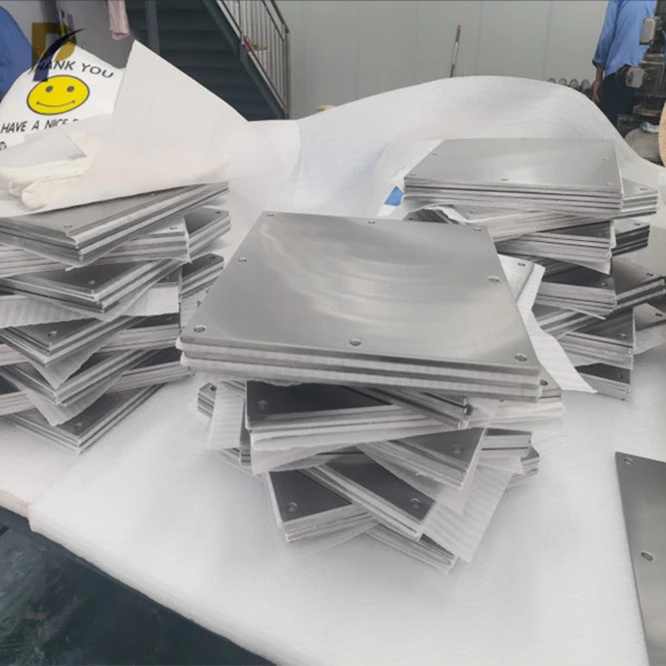
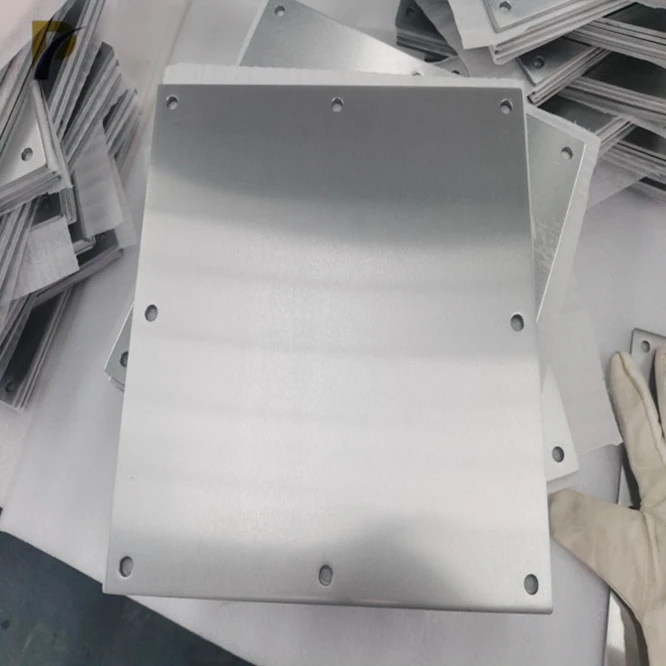
Despite their high strength, molybdenum alloy plates maintain good impact toughness and fracture resistance. This balance of properties ensures that the material can absorb energy during sudden impacts without catastrophic failure, making it suitable for use in dynamic and high-stress environments such as aerospace applications.
 |
 |
Thermal Properties and High-Temperature Performance
Melting Point and Thermal Stability
Molybdenum alloy plates are renowned for their exceptionally high melting point of 2,623°C, a property that allows them to retain structural integrity and mechanical strength in extreme high-temperature environments. This thermal stability ensures that the plates can endure conditions that would cause many other metals to deform, oxidize, or fail. As a result, molybdenum alloys are widely used in high-temperature applications, including furnace components, heat shields, aerospace systems, and industrial equipment, where maintaining material performance under sustained heat is essential for reliability and safety.
Thermal Conductivity and Heat Dissipation
Molybdenum alloy plates possess excellent thermal conductivity, typically ranging from 138 to 142 W/(m·K) at room temperature, which enables efficient heat transfer and rapid dissipation of thermal energy. This makes them ideal for applications where heat must be quickly conducted away, such as heat sinks, electronic substrates, and thermal management systems in industrial machinery. Efficient heat dissipation not only improves system performance but also reduces the risk of localized overheating, ensuring that components operate reliably even under demanding thermal loads.
Coefficient of Thermal Expansion
The low coefficient of thermal expansion of molybdenum alloy plates, approximately 4.8 × 10^-6 /K at room temperature, is a critical property for maintaining dimensional accuracy under temperature fluctuations. This ensures minimal expansion or contraction during heating and cooling cycles, which is essential for precision components, aerospace structures, and scientific instruments. By reducing thermal-induced dimensional changes, molybdenum alloys help preserve tolerances, maintain alignment, and enhance the long-term reliability of equipment where precise measurements and mechanical stability are paramount.
Chemical Resistance and Corrosion Behavior
Oxidation Resistance at High Temperatures
Although pure molybdenum is prone to oxidation when exposed to elevated temperatures, molybdenum alloy plates are engineered with alloying elements that significantly enhance their oxidation resistance. This improvement enables the plates to retain structural integrity and mechanical properties in high-temperature, oxidizing environments. Such resistance is particularly valuable in applications like chemical processing equipment, exhaust system components, and high-temperature industrial machinery, where prolonged exposure to heat and oxygen could otherwise degrade the material, compromising performance and shortening service life.
Corrosion Resistance in Aggressive Environments
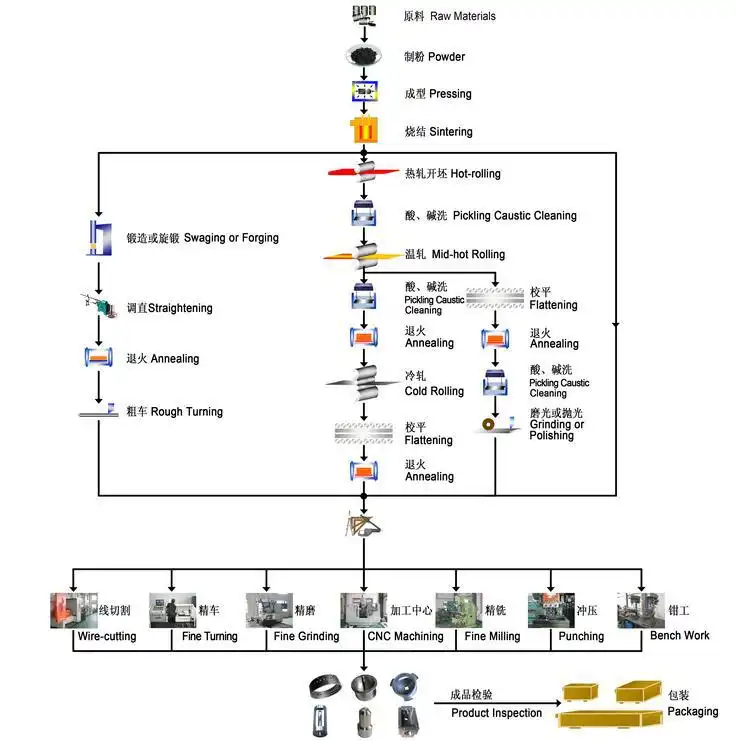
Molybdenum alloy plates exhibit exceptional corrosion resistance in a wide range of aggressive chemical environments. They are especially effective against mineral acids, making them highly suitable for chemical processing, petrochemical, and industrial applications. The degree of corrosion resistance, however, depends on the specific alloy composition and the characteristics of the corrosive medium. By carefully selecting the alloying elements and production processes, manufacturers can tailor molybdenum plates to withstand challenging chemical exposures, ensuring long-term durability, reliability, and minimal maintenance in demanding operational conditions.
Hydrogen Embrittlement Resistance
Unlike many high-strength metals, molybdenum alloy plates demonstrate strong resistance to hydrogen embrittlement, a phenomenon that can cause sudden material failure in hydrogen-rich environments. This property is crucial for applications in nuclear reactors, petrochemical plants, and other industrial systems where hydrogen exposure is common. By maintaining ductility and mechanical integrity under such conditions, molybdenum alloys offer enhanced reliability and safety. Their resistance to hydrogen-induced degradation ensures long-term performance, making them a preferred choice for critical components that operate in harsh chemical and high-temperature environments.
Conclusion
The exceptional mechanical properties of molybdenum alloy plates make them a versatile and valuable material for a wide range of high-performance applications. Their combination of high strength, excellent thermal properties, and good corrosion resistance allows them to excel in environments where other materials would fail. As industries continue to push the boundaries of material performance, molybdenum alloy plates remain at the forefront of advanced engineering solutions, offering reliability and durability in the most demanding conditions.
FAQs
What are the primary industries that use molybdenum alloy plates?
Molybdenum alloy plates are widely used in aerospace, nuclear energy, electronics, and high-temperature industrial applications.
How do molybdenum alloy plates compare to other high-performance metals?
Molybdenum alloy plates often outperform other metals in terms of high-temperature strength, thermal stability, and corrosion resistance in specific environments.
Can molybdenum alloy plates be customized for specific applications?
Yes, the composition and properties of molybdenum alloy plates can be tailored to meet specific requirements for various applications.
Trust Peakrise Metal for Your Molybdenum Alloy Plate Needs
As a leading molybdenum alloy plate supplier and manufacturer, Peakrise Metal offers high-quality products tailored to your specific needs. Our state-of-the-art factory ensures consistent quality and precision in every plate we produce. With our extensive experience and commitment to excellence, we provide reliable solutions for industries requiring superior mechanical properties in their materials. Contact us at info@peakrisemetal.com to discuss your molybdenum alloy plate requirements and experience the Peakrise difference.
References
Smith, J.R. (2021). "Advanced Molybdenum Alloys for High-Temperature Applications." Journal of Materials Engineering and Performance, 30(4), 2541-2556.
Johnson, M.L., & Williams, K.R. (2020). "Mechanical Properties of Refractory Metal Alloys at Elevated Temperatures." Materials Science and Engineering: A, 774, 138836.
Chen, X., et al. (2019). "Corrosion Behavior of Molybdenum Alloys in Aggressive Chemical Environments." Corrosion Science, 152, 1-9.
Thompson, A.W. (2018). "Thermal Stability and Oxidation Resistance of Advanced Molybdenum Alloys." Oxidation of Metals, 90(5-6), 535-553.
Lee, D.B., & Kim, Y.C. (2020). "High-Temperature Strength and Creep Resistance of Molybdenum-Based Alloys." Metals and Materials International, 26(8), 1123-1135.
Patel, R.N., & Sharma, V.K. (2021). "Applications of Molybdenum Alloys in Aerospace and Nuclear Industries: A Comprehensive Review." Journal of Alloys and Compounds, 858, 157653.